
Peptida Nootropik: Semax, Selank dan Senyawa Perbaikan Otak
Ditulis berdasarkan studi yang dikutip. Terakhir diperbarui 25 Jun 2026
Poin penting
Peptida nootropik adalah rantai asam amino pendek yang diteliti untuk efeknya pada kognisi, suasana hati dan persinyalan otak, bekerja bukan sebagai stimulan tetapi pada sistem pertumbuhan dan perbaikan otak itu sendiri, terutama BDNF (brain-derived neurotrophic factor). Yang paling terkenal adalah Semax, Selank, DSIP, Pinealon dan Cerebrolysin. Sebagian besar adalah obat yang disetujui di Rusia dan Eropa Timur dan merupakan senyawa penelitian di Barat.
Sebagian besar "nootropik" yang Anda baca adalah stimulan terselubung, atau suplemen dengan label yang menjanjikan. Peptida diteliti sebagai kategori yang berbeda: alih-alih stimulasi ala kafein, minat penelitian tertuju pada sistem yang digunakan otak untuk tumbuh, memperbaiki dan mengatur dirinya sendiri, terutama BDNF (brain-derived neurotrophic factor, molekul yang diteliti dalam pembelajaran, memori dan perbaikan saraf).
Ini adalah panduan lugas tentang peptida otak yang patut diketahui: dua yang disediakan Primogen, dua yang akan bergabung dalam rangkaian produk, apa yang dijelaskan oleh penelitian untuk masing-masing peptida, dan status bukti yang jujur, yang lebih banyak pada penggunaan klinis Rusia daripada uji coba Barat dan patut dipahami apa adanya.
Peptida nootropik apa saja yang disediakan Primogen saat ini?
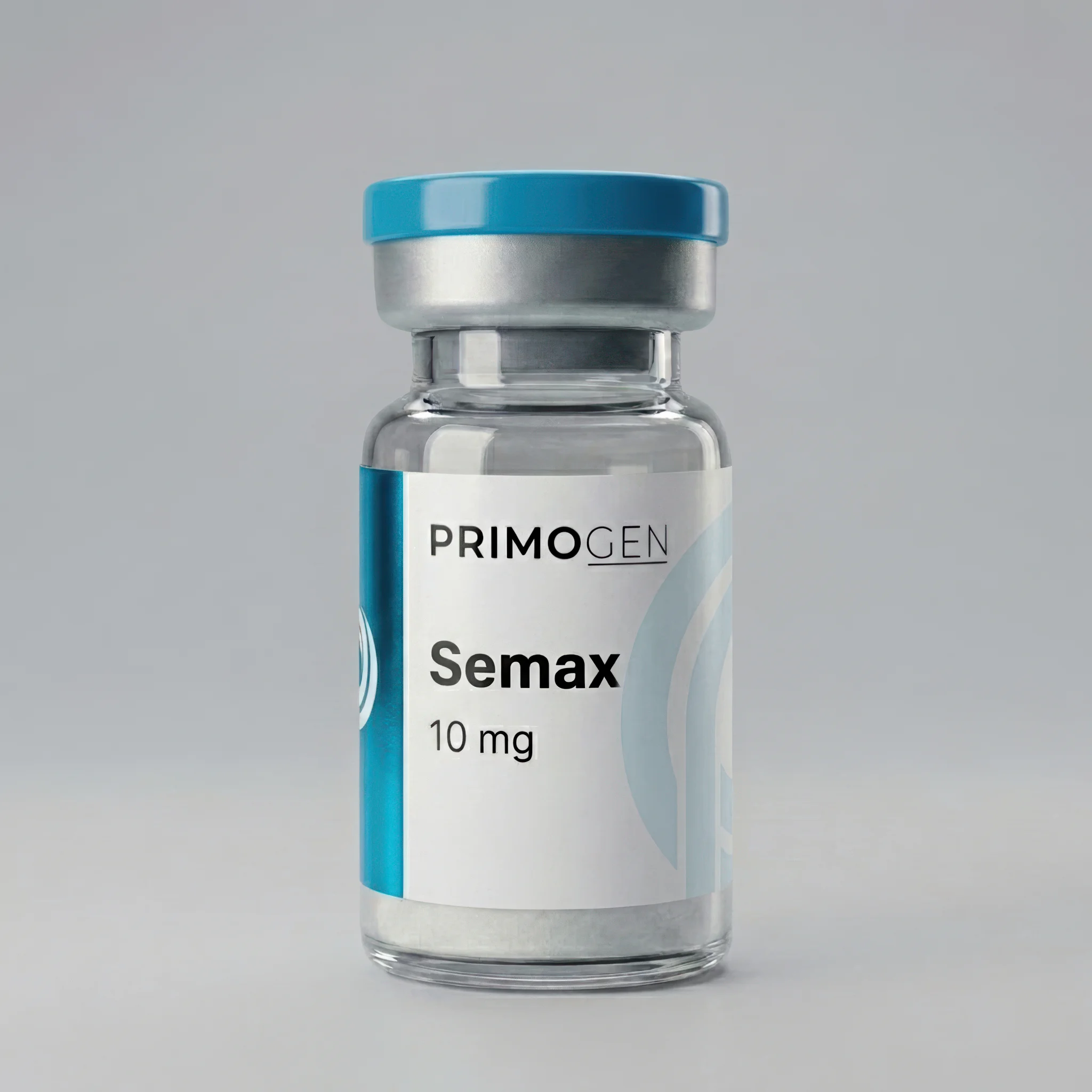
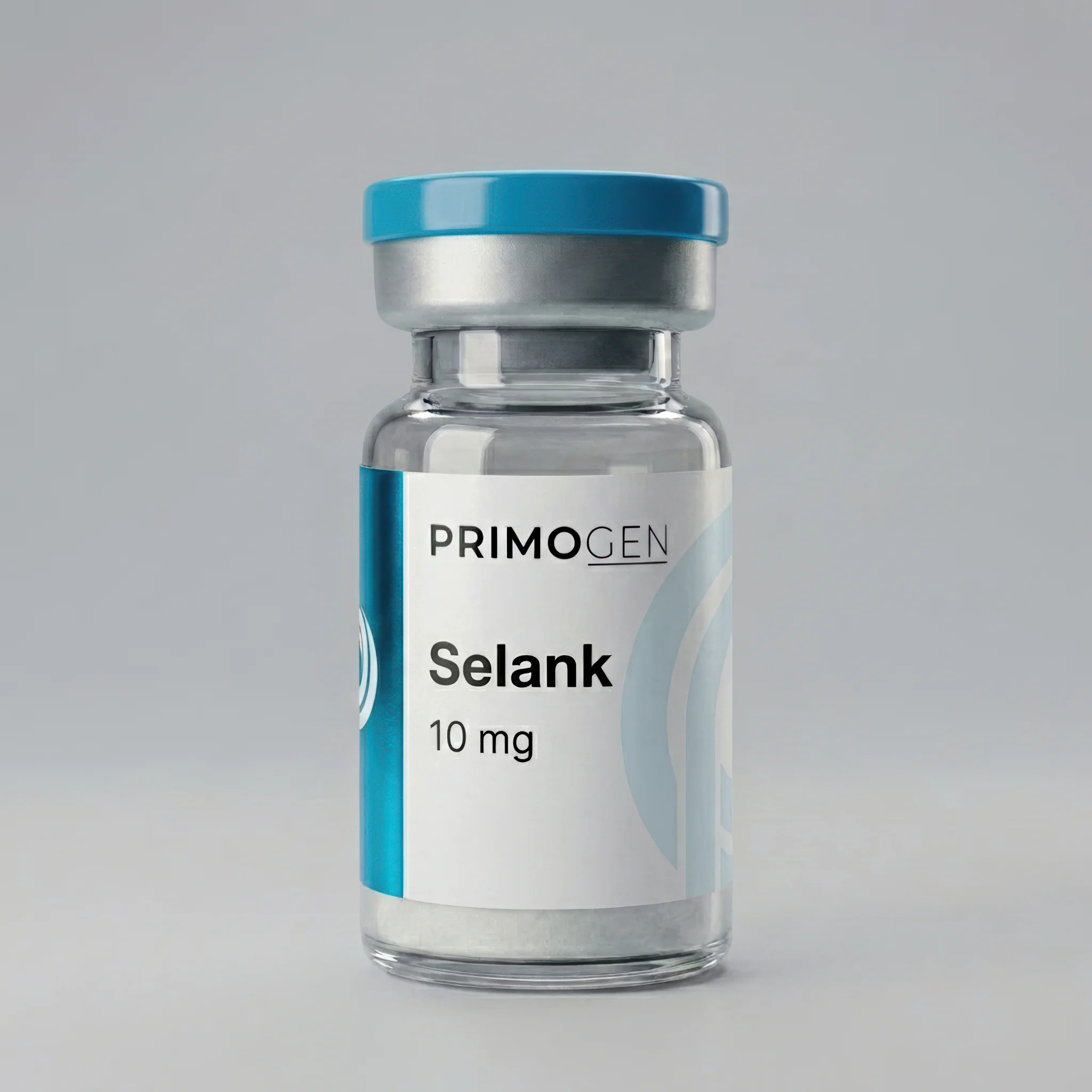
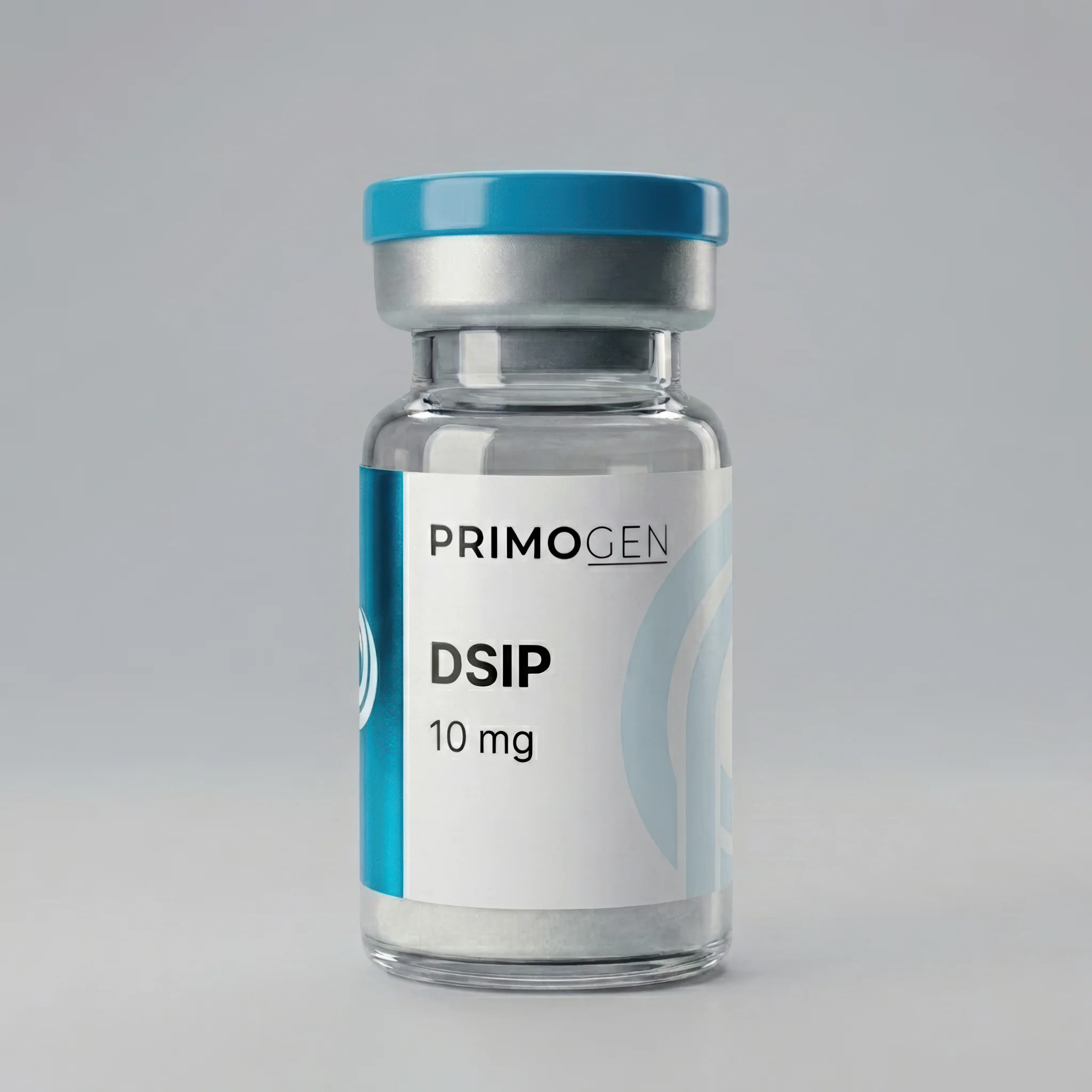
Primogen menyediakan tiga peptida nootropik saat ini: Semax, Selank dan DSIP. Semax dan Selank adalah tulang punggung kategori ini, diteliti sebagai pasangan pelengkap karena keduanya dikarakterisasi dalam arah yang berlawanan: Semax sebagai pengaktif, Selank sebagai penenang. DSIP melengkapi jajaran produk ini pada sisi tidur dan stres.
Apa itu Semax dan untuk apa ia diteliti?
Semax adalah peptida pendek yang berasal dari fragmen ACTH (hormon adrenokortikotropik, sinyal respons stres tubuh itu sendiri), diteliti terutama untuk efeknya pada persinyalan BDNF dan cedera otak. Ini adalah obat yang disetujui di Rusia untuk stroke, gangguan kognitif dan ADHD; di Barat ini adalah senyawa penelitian (dan pada akhir 2023 telah dihapus dari daftar apotek peracikan AS). Secara mekanistik, ini dilaporkan meningkatkan BDNF dan reseptornya TrkB (titik dok tempat BDNF bekerja), untuk mengaktifkan sistem dopamin dan serotonin, dan bersifat protektif pada model hewan dengan cedera otak. Dalam satu penelitian pada tikus, dosis intranasal tunggal meningkatkan protein BDNF hipokampus (hipokampus adalah pusat memori otak) sekitar 1.4 kali lipat dan melipatgandakan ekspresi gen BDNF (Dolotov 2006), dan sebagian besar catatan klinisnya ada pada pemulihan stroke (Gusev 1997, 2018).
Minat penelitian berpusat pada fokus, kelancaran verbal, dan ketahanan stres, dengan profil subjektif yang dilaporkan di komunitas pengguna digambarkan sebagai "fokus, bukan gelisah" alih-alih seperti stimulan. Dalam pengaturan penelitian, ini ditangani secara intranasal (rute utama) atau subkutan, yang berarti suntikan kecil tepat di bawah kulit, biasanya dalam kisaran 200 hingga 600 mcg per hari, sering kali dalam siklus pendek. Larutannya jernih dan tidak berwarna, dan rute intranasal menghindari langkah penyuntikan apa pun.
Satu hal yang perlu diketahui jika Anda berkompetisi: Semax berada di zona abu-abu "status tidak jelas" dalam analisis anti-doping, ditandai sebagai peningkat kognitif dengan profil biologis yang menyerupai zat pada daftar WADA alih-alih disebutkan secara eksplisit di dalamnya (Pokrywka 2025). Atlet yang diuji harus menganggapnya sebagai risiko.
Apa itu Selank dan untuk apa ia diteliti?
Selank adalah peptida sintetis berdasarkan tuftsin, fragmen dari molekul kekebalan alami, dan diteliti sebagai ansiolitik tanpa kelemahan benzodiazepin. Penelitian menggambarkannya sebagai modulator selektif yang lembut dari sistem GABA-A (GABA adalah sinyal penenang utama otak), target luas yang sama yang disasar benzodiazepin, tetapi dilaporkan tanpa sedasi, toleransi atau ketergantungan. Pekerjaan klinis Rusia telah meneliti profil ansiolitiknya (pengurang kecemasan) bersama benzodiazepin, dan kerangka penelitian menekankan bahwa ini diselidiki secara khusus sebagai alternatif tanpa toleransi, tanpa penarikan.
Minat penelitian berpusat pada kecemasan situasional, beban stres umum, dan profil non-adiktif dibandingkan benzodiazepin. Dalam pengaturan penelitian, ini ditangani secara nasal atau subkutan, umumnya 150 hingga 500 mcg sehari. Ini sering diteliti bersama Semax sebagai pasangan klasik: Semax pada sisi pengaktif, Selank pada sisi penenang. Selank yang telah direkonstitusi adalah larutan jernih dan tidak berwarna.
Apakah DSIP termasuk peptida otak?
Ya. DSIP (Delta Sleep-Inducing Peptide) adalah neuropeptida (peptida yang bertindak sebagai molekul persinyalan di otak dan sistem saraf), diteliti terutama untuk memperdalam tidur gelombang lambat (delta). Penelitian juga menjelaskan efek pada aksis stres, menurunkan dorongan ACTH dan kortisol (hormon stres utama), dengan efek lanjutan yang dilaporkan pada ritme sirkadian, jam internal tubuh yang berdurasi sekitar 24 jam. Hal itu menjadikannya anggota kelompok tidur dan stres, dengan minat penelitian yang mencakup arsitektur tidur dan regulasi aksis stres. Dalam pengaturan penelitian, ini ditangani secara subkutan, biasanya sekitar 100 hingga 300 mcg satu atau dua jam sebelum tidur, sering kali disikluskan. Satu perbedaan yang berguna: DSIP tidak muncul dalam analisis anti-doping yang menandai Semax dan Selank sebagai peningkat kognitif zona abu-abu (Badan Anti-Doping Dunia menetapkan daftar zat terlarang untuk olahraga), jadi dari kelompok ini, DSIP adalah yang paling tidak terjerat dalam masalah doping, meskipun atlet yang diuji harus selalu memeriksa daftar terbaru sendiri. Peringatan jujurnya adalah bahwa respons yang dilaporkan sangat bervariasi di seluruh studi dan akun pengguna.
Peptida nootropik apa yang akan bergabung dalam rangkaian produk selanjutnya?
Pinealon dan Cerebrolysin adalah dua produk yang akan dihadirkan Primogen selanjutnya, dan keduanya berada di ujung kategori perbaikan otak yang lebih serius. Keduanya diteliti untuk efek neurotropik dan neuroprotektif, dengan Cerebrolysin membawa catatan klinis yang lebih dalam dan Pinealon memiliki profil yang lebih eksperimental.
Apa itu Pinealon dan untuk apa ia diteliti?
Pinealon adalah bioregulator peptida Khavinson, salah satu kelas peptida sangat pendek yang dikembangkan Rusia yang diteliti untuk mengaktifkan program pemeliharaan tubuh itu sendiri. Ini adalah tripeptida (peptida kecil yang hanya terdiri dari tiga asam amino) yang dianggap masuk ke dalam DNA dan membantu mengekspos gen yang tepat untuk transkripsi, langkah di mana gen dibaca dan diaktifkan, dengan minat penelitian pada metabolisme otak dan jalur neuroprotektif (pelindung sel saraf). Fokus penelitian adalah pada neuroproteksi, penanda sirkadian dan kognitif, serta penuaan otak pada model hewan. Ini adalah yang paling eksperimental dari keempatnya di sini, dengan basis bukti yang lebih tipis, sehingga masuk dalam kategori "menjanjikan, masih awal", dan kami akan mengatakannya dengan jelas.
Apa itu Cerebrolysin dan mengapa ia menjadi kelas berat?
Cerebrolysin adalah senyawa yang paling mapan secara klinis dalam kelompok ini: ini bukan peptida tunggal melainkan campuran peptida neurotropik yang berasal dari otak babi yang dimurnikan (neurotropik berarti menutrisi sel saraf), diteliti untuk memasok faktor neurotropik seperti BDNF, GDNF, NGF dan CNTF. Sumber itu terdengar liar, kami tahu, tetapi bahannya dimurnikan hingga ke peptida aktif, tanpa risiko penyakit yang terkait dengan jaringan hewan mentah. Dan jika turunan babi menjadi masalah bagi Anda, karena alasan halal atau lainnya, ada opsi yang setara: Cortexin diproduksi dengan cara yang sama tetapi dari sapi, bukan babi, yang menjadikannya alternatif yang ramah halal. Ini juga dilaporkan hemat biaya (dosis kecil dikatakan membawa beban peptida yang sebanding dengan volume Cerebrolysin yang jauh lebih besar), dan ini adalah salah satu yang mungkin kami bawa ke dalam rangkaian produk. Ini kadang-kadang disebut "Rolls-Royce nootropik", dan catatan klinisnya adalah yang paling substansial di seluruh kelompok ini: ini adalah obat yang disetujui di Rusia dan sebagian Eropa Timur, dengan puluhan tahun penggunaan pada stroke, demensia dan cedera otak traumatis. Dalam protokol klinis, ini diberikan sebagai rangkaian suntikan intramuskular (suntikan ke dalam otot; 5 hingga 10 ml sehari), dan literatur menggambarkan efek yang terbangun selama satu siklus, bukan dalam satu jam. Pengaturan klinis juga menggunakannya sebagai infus intravena, tetapi itu adalah konteks medis dan bukan sesuatu yang kami rekomendasikan untuk penggunaan penelitian.
Peptida nootropik apa lagi yang patut diketahui?
Di luar empat yang utama, beberapa peptida otak lainnya cukup sering muncul untuk dimasukkan ke dalam radar Anda, mulai dari yang benar-benar eksperimental hingga yang berdekatan dengan nootropik. Beberapa yang patut diketahui:
- Dihexa adalah senyawa penarget sinapsis yang kuat (sinapsis adalah persimpangan tempat sel-sel otak terhubung dan berbicara satu sama lain), diteliti pada model hewan untuk membentuk koneksi saraf baru dan tugas memori. Masih awal, dan sangat merupakan senyawa penelitian, tetapi salah satu molekul paling menarik dalam kategori ini.
- Bioregulator Khavinson adalah satu keluarga utuh: Pinealon adalah salah satunya, dan Epitalon (ditujukan pada kelenjar pineal, kelenjar kecil jauh di dalam otak yang diteliti dalam kaitannya dengan hormon tidur, telomer, tutup pelindung di ujung DNA Anda yang memendek seiring bertambahnya usia sel, dan penanda umur panjang, dan salah satu yang sudah kami sediakan) adalah yang lainnya. Area yang dalam dan masih berkembang yang akan kami berikan panduan lengkapnya sendiri segera.
- Noopept dan beberapa senyawa serupa lebih berdekatan dengan nootropik daripada peptida sejati, tetapi cukup sering muncul dalam percakapan yang sama untuk disebutkan.
Kami tidak akan berpura-pura bahwa semuanya sama-sama terbukti. Beberapa sudah sering digunakan, beberapa benar-benar eksperimental, dan kami akan selalu memberi tahu Anda mana yang mana. Tetapi arah perjalanannya jelas, begitu pula arah kami: Primogen sepenuhnya berniat untuk terus memperluas rangkaian peptida otaknya seiring dengan matangnya bidang ini. Ini adalah salah satu area yang paling kami minati, jadi nantikan perkembangannya.
Bagaimana cara kerja peptida nootropik?
Sebagian besar kategori ini kembali ke satu tema: mendukung BDNF dan sistem perbaikan serta persinyalan otak itu sendiri. Semax dan Cerebrolysin diteliti untuk meningkatkan dukungan neurotropik secara langsung, Selank untuk menyetel sistem GABA yang menenangkan sambil juga memengaruhi BDNF, dan Pinealon untuk bekerja lebih jauh ke hulu pada program genetik di balik pemeliharaan otak. Tak satu pun dari mereka adalah stimulan. Kerangka penelitian bersama adalah dukungan neurotropik dan regulasi alih-alih stimulasi akut.
Bagaimana dosis dan penanganan peptida nootropik?
Dalam pengaturan penelitian, dosis dan penanganan berbeda berdasarkan senyawa:
- Semax dan Selank ditangani secara intranasal atau subkutan dalam mikrogram (sekitar 150 hingga 600 mcg sehari), biasanya dalam siklus pendek beberapa minggu hingga beberapa bulan.
- Cerebrolysin dijalankan sebagai rangkaian suntikan intramuskular selama beberapa hari yang ditentukan dalam protokol klinis.
- Pinealon didosiskan oleh komunitas dalam miligram, oral atau suntik, dalam rangkaian pendek.
Untuk contoh perhitungan: botol 30 mg Semax yang direkonstitusi dengan 3 ml air bakteriostatik menghasilkan 10 mg/ml, jadi dosis penelitian 300 mcg adalah 0.03 ml, yang pada jarum suntik insulin 100-unit (1 ml) hanya 3 unit. Lihat cara merekonstitusi dan memberikan dosis untuk metode lengkapnya.
Untuk mengetahui bagaimana ini cocok dengan senyawa lain, lihat penumpukan peptida.
Seberapa baikkah bukti untuk peptida nootropik?
Bukti klinis terkuat, terutama untuk Semax, Selank dan Cerebrolysin, adalah dari Rusia dan Eropa Timur, di mana mereka telah menjadi obat yang disetujui dan digunakan selama puluhan tahun. Itu adalah rekam jejak yang nyata dan substansial, bukan sesuatu yang bisa diabaikan hanya karena tidak berasal dari uji coba AS. Pada saat yang sama, uji coba acak Barat berskala besar dan pengawasan keamanan independen jangka panjang masih sedikit, data pada manusia jarang melewati beberapa minggu, dan Pinealon khususnya masih dalam tahap awal. Anggap senyawa yang sudah mapan sebagai senyawa yang sering digunakan dengan riwayat klinis yang kredibel, dan yang lebih baru sebagai senyawa yang menjanjikan tetapi belum terbukti, dan Anda akan memahaminya dengan tepat.
Semuanya adalah senyawa penelitian di Barat, dan peptida peningkat kognitif semakin ditandai dalam konteks anti-doping sebagai potensi doping otak, berada di zona abu-abu yang harus dianggap sebagai risiko oleh atlet yang diuji (Pokrywka 2025).
Produk terkait
Peptida nootropik mana yang sesuai dengan minat penelitian saya?
Itu tergantung pada sistem mana yang ingin Anda teliti, dipetakan ke kerangka penelitian untuk setiap senyawa:
- Fokus, dorongan dan kelancaran verbal adalah area penelitian untuk Semax.
- Penelitian ansiolitik dan ketenangan mengarah ke Selank.
- Kedua ujungnya bersamaan adalah pasangan klasik Semax-plus-Selank.
- Penelitian arsitektur tidur dan aksis stres mengarah ke DSIP.
- Penelitian perbaikan saraf dan neurotropik mengarah ke Cerebrolysin sebagai kelas berat, dengan Pinealon sebagai opsi bioregulator eksperimental.
Primogen menyediakan Semax, Selank dan DSIP saat ini, dengan Pinealon dan Cerebrolysin bergabung dalam rangkaian produk dan lebih banyak peptida otak yang akan menyusul. Ini adalah salah satu bidang yang paling kami minati dan sedang kami kembangkan secara aktif, jadi jika ada yang Anda inginkan yang belum kami cantumkan, tanyakan, dan nantikan perkembangannya.
Ikuti kuis protokol 2 menit untuk mendapatkan rekomendasi yang disesuaikan untuk Anda.
Susun stack AndaPertanyaan yang sering diajukan
Apa perbedaan antara Semax dan Selank?
Semax diteliti pada sisi pengaktif: fokus, dorongan, kelancaran verbal dan ketahanan stres adalah area penelitiannya. Selank diteliti pada sisi penenang: penelitian ansiolitik dan ketenangan, dilaporkan tanpa sedasi atau ketergantungan. Keduanya sering diteliti sebagai pasangan karena yang satu menargetkan aktivasi dan yang lainnya menenangkan.
Apakah peptida nootropik seperti Adderall atau kafein?
Tidak. Stimulan mendorong sistem saraf Anda lebih keras dan datang dengan penurunan drastis serta kurva toleransi. Peptida ini diteliti pada sistem pertumbuhan dan persinyalan otak itu sendiri (terutama BDNF) alih-alih sebagai stimulan, itulah sebabnya kerangka penelitiannya adalah dukungan neurotropik alih-alih sensasi sesaat.
Bagaimana cara Anda menggunakan Semax dan Selank?
Keduanya didosiskan dalam mikrogram, baik sebagai semprotan hidung atau suntikan subkutan kecil, biasanya dalam siklus pendek. Nasal populer karena kenyamanannya; subkutan digunakan untuk protokol yang lebih lama atau dosis yang lebih tinggi.
Apakah buktinya bagus, atau semuanya hanya anekdotal?
Lebih baik daripada sebagian besar pasar nootropik. Semax, Selank dan Cerebrolysin adalah obat yang disetujui di Rusia dan sebagian Eropa Timur dengan puluhan tahun penggunaan klinis, yang merupakan basis bukti asli. Yang masih sedikit adalah uji coba Barat berskala besar dan data keamanan independen jangka panjang, jadi sejujurnya mereka berada di antara "sering digunakan secara klinis" dan "belum sepenuhnya dikarakterisasi oleh standar Barat."
Bisakah atlet menggunakan ini?
Beresiko jika Anda menjalani tes narkoba. Peptida peningkat kognitif seperti Semax dan Selank berada di zona abu-abu "status tidak jelas" dalam analisis anti-doping, ditandai sebagai potensi doping otak alih-alih disebutkan secara eksplisit di daftar WADA, jadi atlet yang diuji harus menganggapnya sebagai bahaya.
Sumber (5)›
- 1.Dolotov et al. Semax raises BDNF/TrkB in rat hippocampus. 2006 pubmed.ncbi.nlm.nih.gov ↗
- 2.Gusev et al. Semax in ischaemic stroke. 1997 pubmed.ncbi.nlm.nih.gov ↗
- 3.Gusev et al. Semax and BDNF in stroke. 2018 researchgate.net ↗
- 4.Medvedeva et al. Semax ischaemia transcriptome, BMC Genomics 2014 pubmed.ncbi.nlm.nih.gov ↗
- 5.Pokrywka et al. Cognitive-enhancer peptides and brain doping. 2025 pmc.ncbi.nlm.nih.gov ↗