
What Are Peptides? A Complete Beginner's Guide
Written against the cited studies. Last updated 7 Oct 2026
Key takeaways
Peptides are short chains of amino acids, the same building blocks that make up protein. A peptide usually has up to around 50 of them. Most peptides act as signals. They attach to a specific receptor and pass on a message the body already understands, rather than forcing a reaction the way a drug does. Almost all are sold as research compounds, in freeze-dried powder form.
If you have landed here, you have probably seen names like BPC-157, retatrutide and GHK-Cu. People talk about them as if they were one group of miracle compounds. They are not. Peptides are a broad family, and they do very different jobs. Some of the talk around them is overblown, while some of the truly interesting work gets buried.
This is the plain-English version. It covers what peptides are and how they differ from drugs and hormones. It explains why they come as a freeze-dried powder, and it walks through the main types with real examples. It also covers how they are used and what to know about buying research compounds. That is everything you need before you start.
What exactly is a peptide?
A peptide is a short chain of amino acids held together by peptide bonds. These are the same building blocks that make up protein, just far fewer of them. The usual rule of thumb is simple. Up to around 50 amino acids, you call it a peptide. Beyond that, it is a protein. Your body runs on proteins, and amino acids are the Lego bricks that build them.
That small size is the whole point. A peptide is short enough to make in a lab cheaply and precisely. But it is long enough to carry a specific message. Many of the peptides people use are copies, or close fragments, of signals the body already makes:
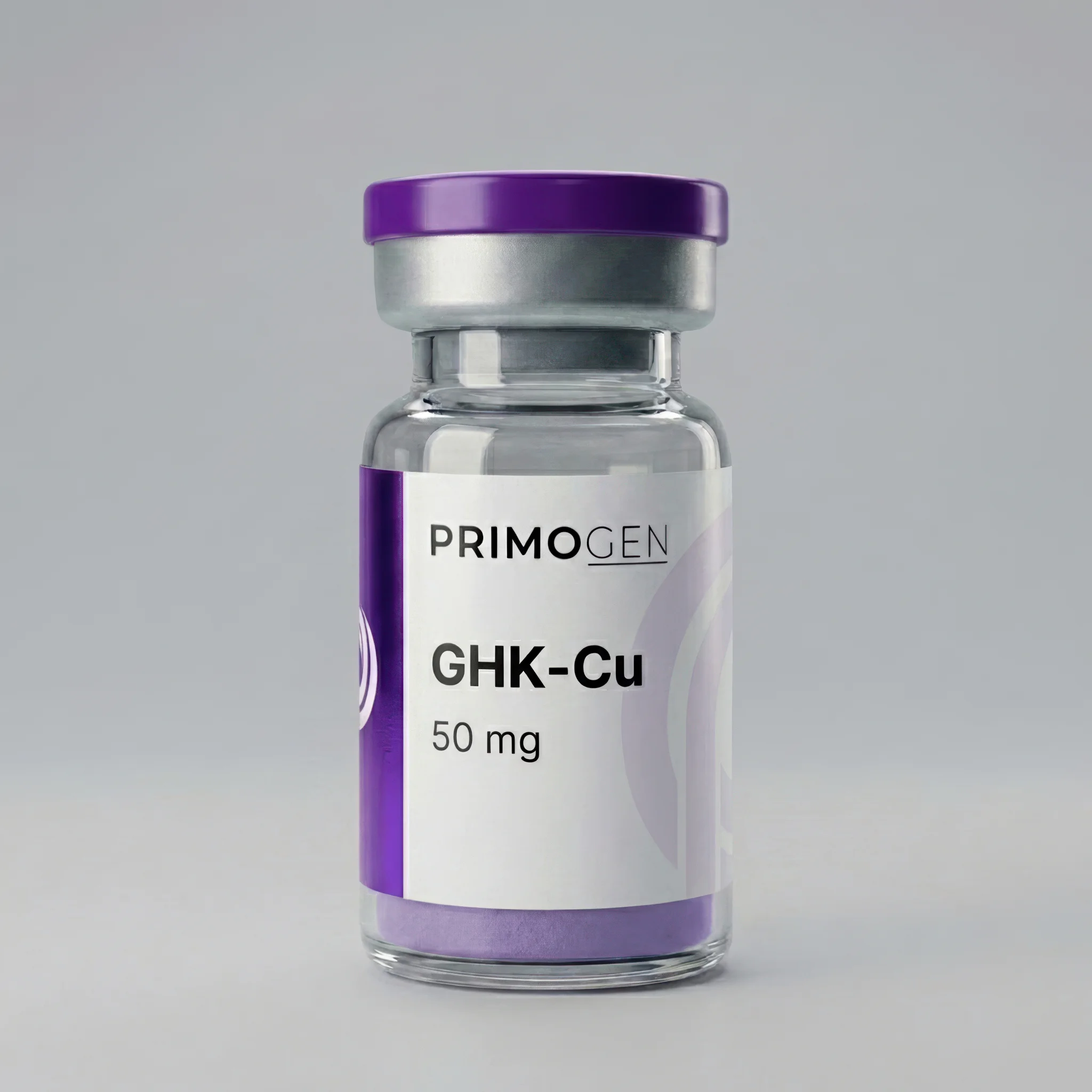
- GHK-Cu is a copper-binding peptide found naturally in human blood plasma.
- BPC-157 comes from a protective protein in stomach acid.
- MOTS-c is a signal your own mitochondria send out.
So you are not adding something completely alien. In many cases you are topping up, or copying, a signal that is already part of your biology.
Peptides vs drugs vs hormones: what's the difference?
A signalling peptide works differently from a classic drug. It attaches to a specific receptor and passes on a message the body already understands. A small-molecule drug is usually a foreign chemical, built to block or force a reaction. Some peptides are hormones, or pieces of them. Others are signals that prompt the body to release its own hormone. Beginners often get confused here, so it is worth being precise.
Versus most drugs: a classic small-molecule drug is a foreign chemical. It is designed to block, bind or force a reaction. It often hits more than one target and brings side effects with it. A signalling peptide is more like a key cut for one lock. In lab and animal studies it attaches to one specific receptor. That tends to make peptides more targeted, though "targeted" is not the same as "harmless".
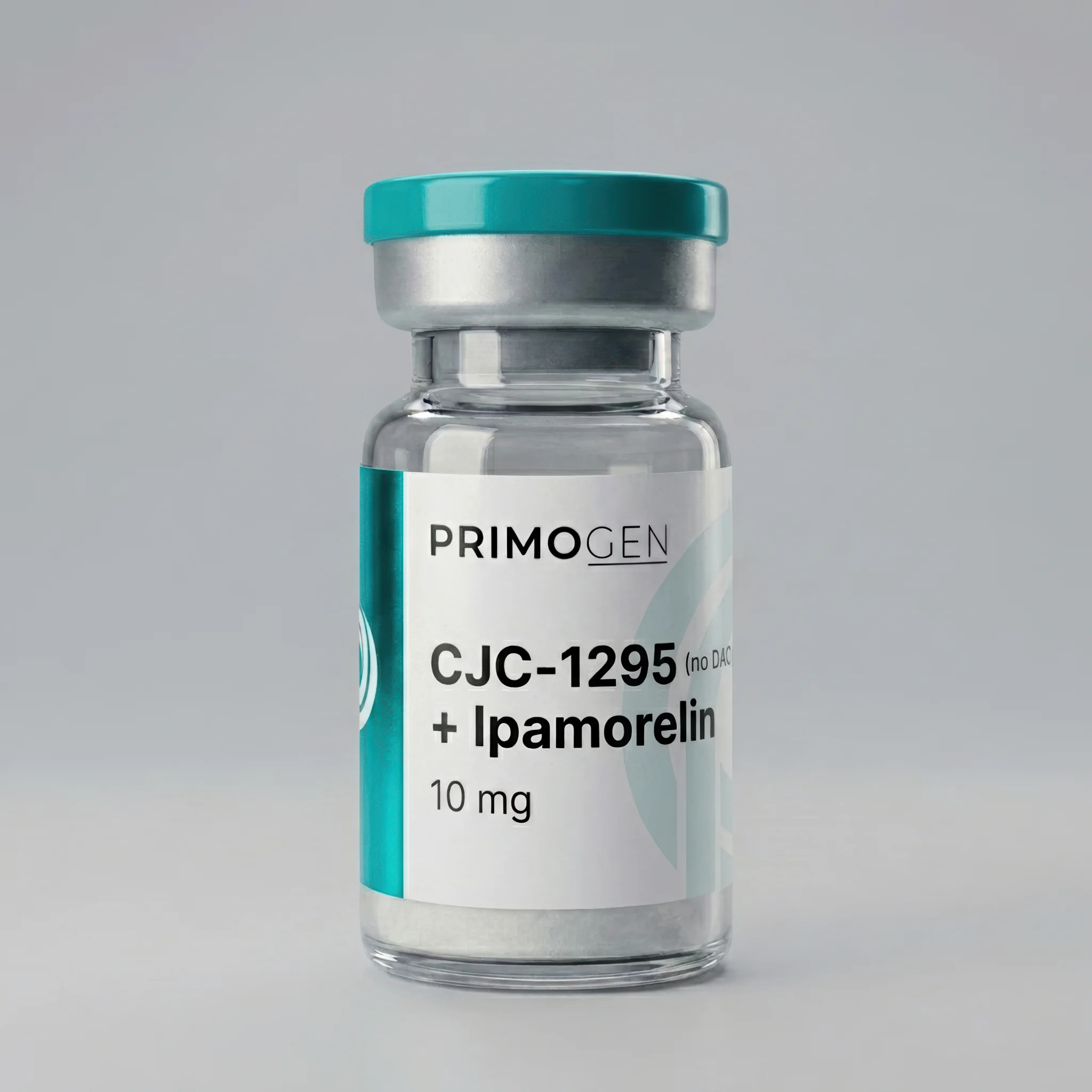
Versus hormones: some peptides are hormones, or pieces of them. The GLP-1 compounds, like retatrutide and tirzepatide, are designed to copy gut hormones the body releases after a meal. Growth hormone secretagogues work differently. These are compounds that prompt the body to release its own hormone. CJC-1295 and ipamorelin act on the pituitary gland so it releases the body's own (endogenous) growth hormone. They do not supply growth hormone itself.
That difference matters in the research. Growth hormone is naturally released in pulses. A secretagogue is meant to work with that natural rhythm. Supplying the finished hormone overrides it.
The takeaway for a beginner: peptides are usually precise signals, but precise does not mean trivial. The strong ones act on real body systems, and they deserve respect.
Why do peptides come as a powder?
Peptides come as a powder because they break down in liquid. So they are freeze-dried (the technical word is lyophilised) into a stable form that keeps on the shelf. Open your first vial and you will find a tiny white pellet at the bottom. People call it a "puck" or a "cake". That is the peptide. Left in liquid at room temperature, the amino-acid chains start to break down and stop working. Freeze-drying pulls the water out to protect them.
The puck you can see usually has a small amount of an excipient added, such as mannitol. An excipient is an inactive filler that helps the puck hold its shape and stay stable.
Before use you reconstitute it. That means mixing the dry powder with liquid so you can inject it. You add bacteriostatic water to the vial and let it dissolve, and you have your usable solution. Bacteriostatic water (BAC water) is the right choice. It contains a small amount of benzyl alcohol, which stops bacteria from growing. That means a vial you dose from many times stays usable for weeks in the fridge. Primogen supplies BAC water for exactly this reason.
The amount of water sets the strength, and the maths is just division:
- Say you add 2 mL of BAC water to a 5 mg vial. That gives 2.5 mg/mL.
- A standard insulin syringe holds 100 units, which is 1 mL. So drawing to the 10-unit mark pulls 0.1 mL, which is 250 mcg.
- Add 5 mL to the same vial instead, and that 10-unit mark holds 100 mcg.
The amount of peptide never changes. Only the dilution does. The full step-by-step, including how much water to add and how to store it, is in how to reconstitute and store.
What are the main types of peptides?
The main types of peptides are grouped by what they are studied for:
- healing and recovery
- weight loss (the GLP-1 agonists)
- growth hormone secretagogues
- cosmetic skin and hair
- a long tail of immune and metabolic compounds
Peptides are easiest to understand by these families. Here they are, with examples from the range Primogen stocks.
What are healing and recovery peptides?
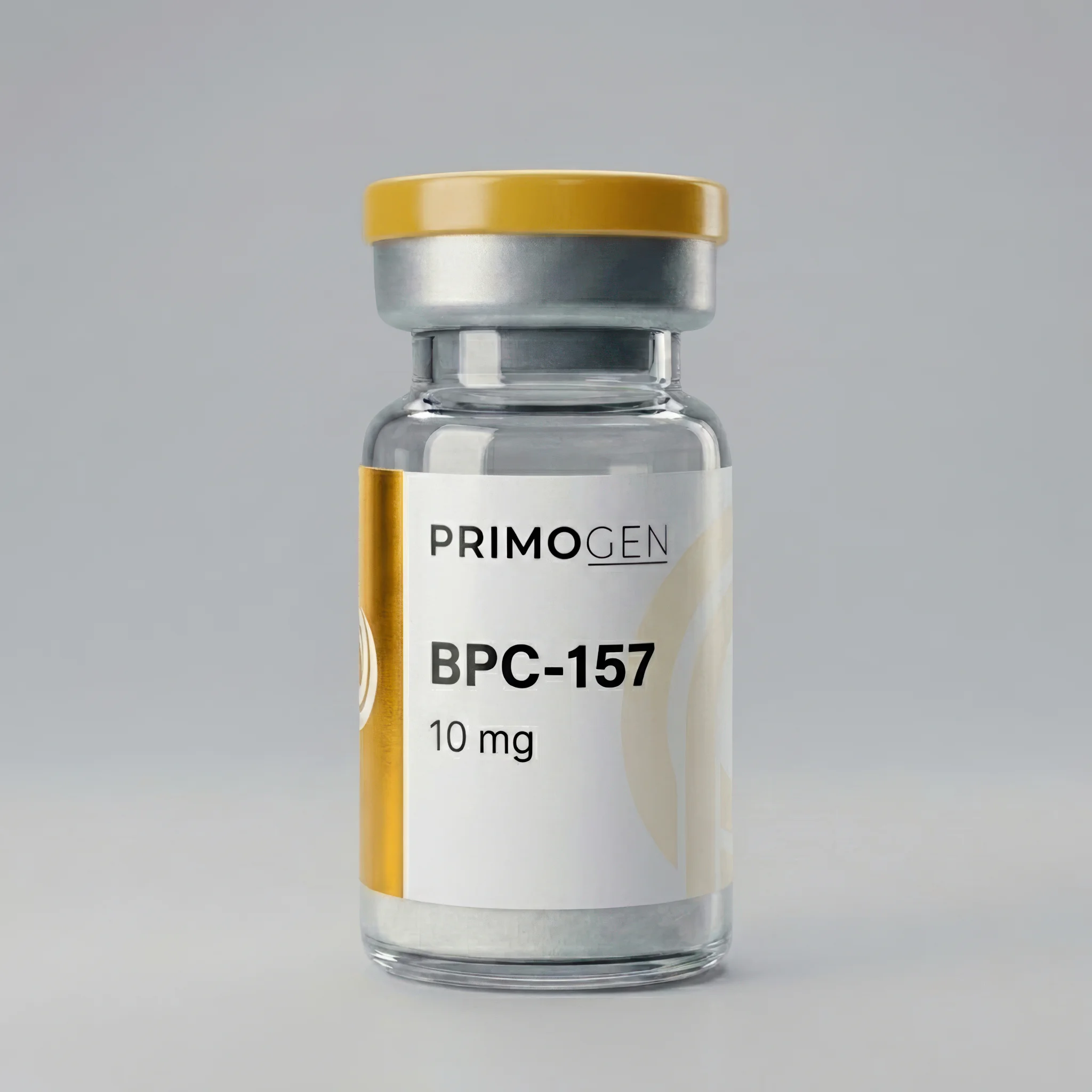
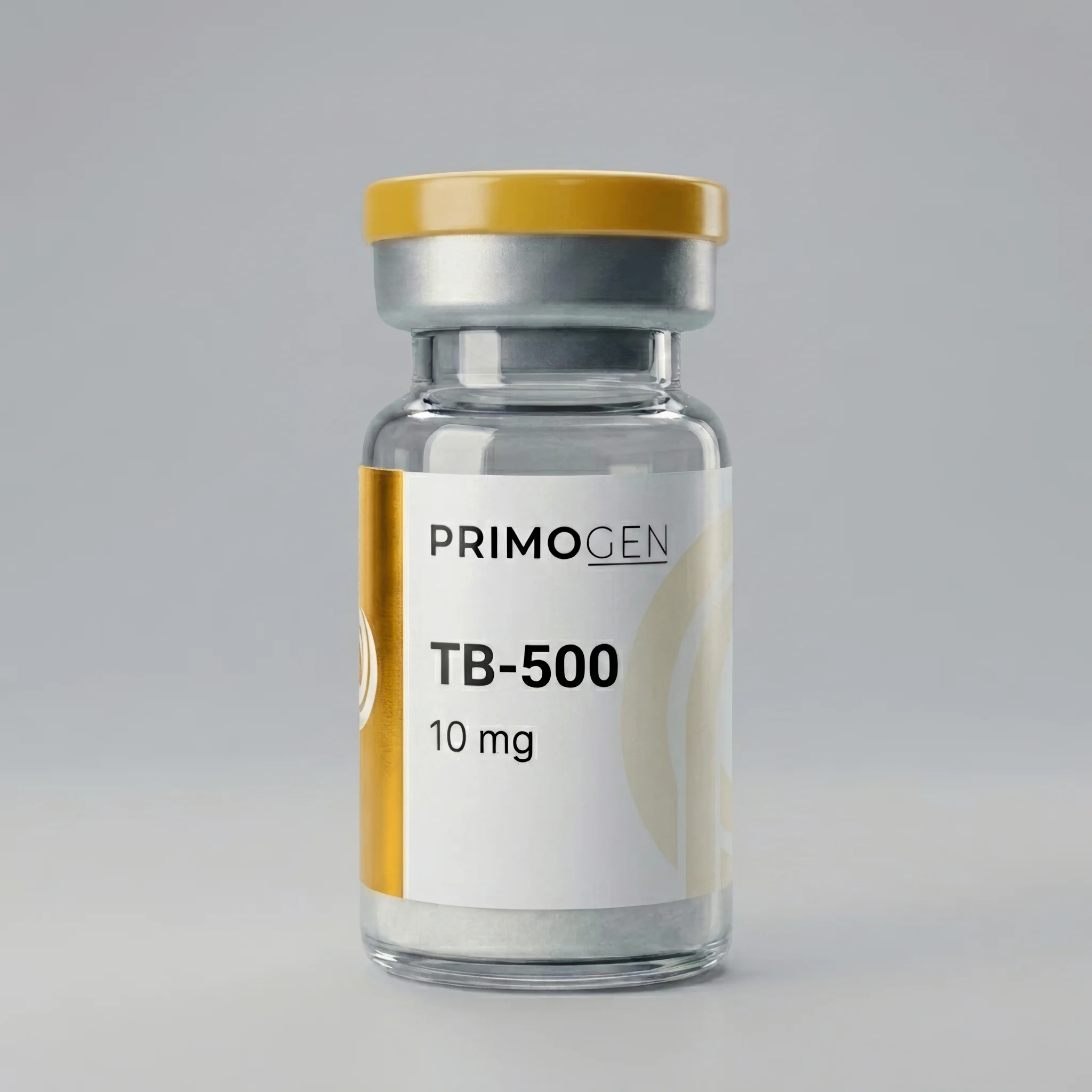
Healing and recovery peptides are studied for repairing tissue in tendons, ligaments, muscle and the gut lining. They are the flagship family, and most beginners start here. BPC-157 and TB-500 are the two best known.
- BPC-157 is a lab-made peptide that comes from a protein in stomach acid. In animal studies it has been looked at for repair of tendons, ligaments, muscle and gut tissue. Proposed ways it works include angiogenesis (growing new blood supply to damaged tissue) and a shift toward the healing phase that calms inflammation (Sikiric et al., Frontiers in Pharmacology 2021). It is still a research compound. Most of the evidence comes from animal studies, with only limited early human research so far.
- TB-500 is a lab-made piece of a protein called Thymosin Beta-4. In animal studies it has been looked at for helping cells move to an injury and for calming inflammation. It is often used alongside BPC-157 in research, because the two are seen as working well together.
These two are often paired. We lay out exactly how they compare in the healing peptides compared.
What are GLP-1 weight-loss peptides?
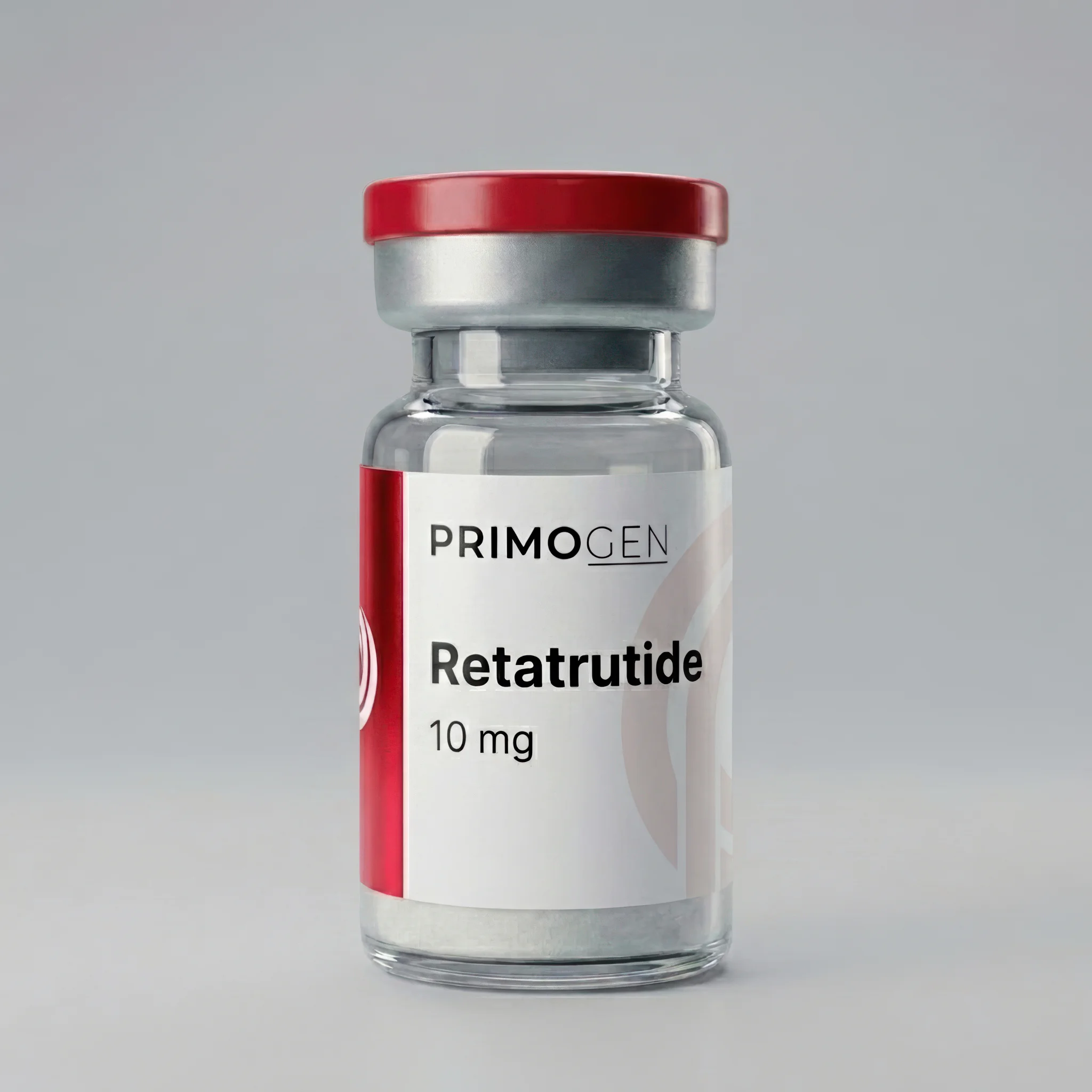
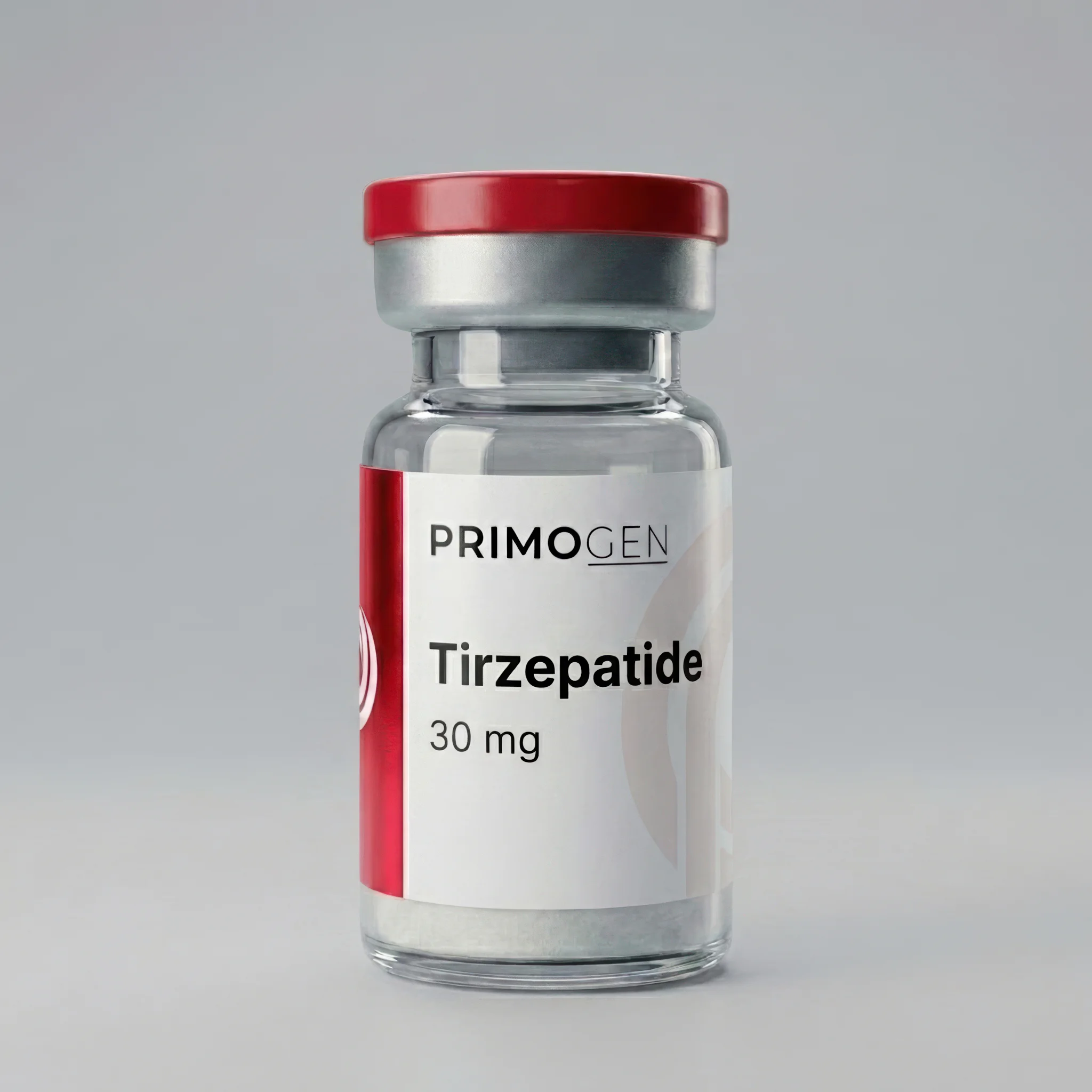
GLP-1 weight-loss peptides are designed to copy gut hormones that control appetite and blood sugar. This is the family that made peptides famous with the general public. Retatrutide and tirzepatide are the two Primogen stocks.
- Retatrutide is a triple agonist, meaning it is designed to switch on three receptors: GLP-1, GIP and glucagon. The glucagon part is what sets it apart. It adds a way to burn more energy on top of GLP-1's effect on appetite (Coskun et al., Cell Metabolism 2022). In a Phase 2 trial, people on the 12 mg dose lost up to about 24% of their body weight at 48 weeks (Jastreboff et al., NEJM 2023). A related study reported about an 82% drop in liver fat at 24 weeks (Sanyal et al., Nature Medicine 2024). It is in Phase 3.
- Tirzepatide is a dual agonist (GLP-1 + GIP) and is FDA-approved. It has the longest clinical record of the modern options and the most fully studied profile.
Primogen stocks both. We choose not to stock semaglutide, because the newer two do better in the trial data. The full breakdown is in the GLP-1 comparison.
What are growth hormone secretagogues?
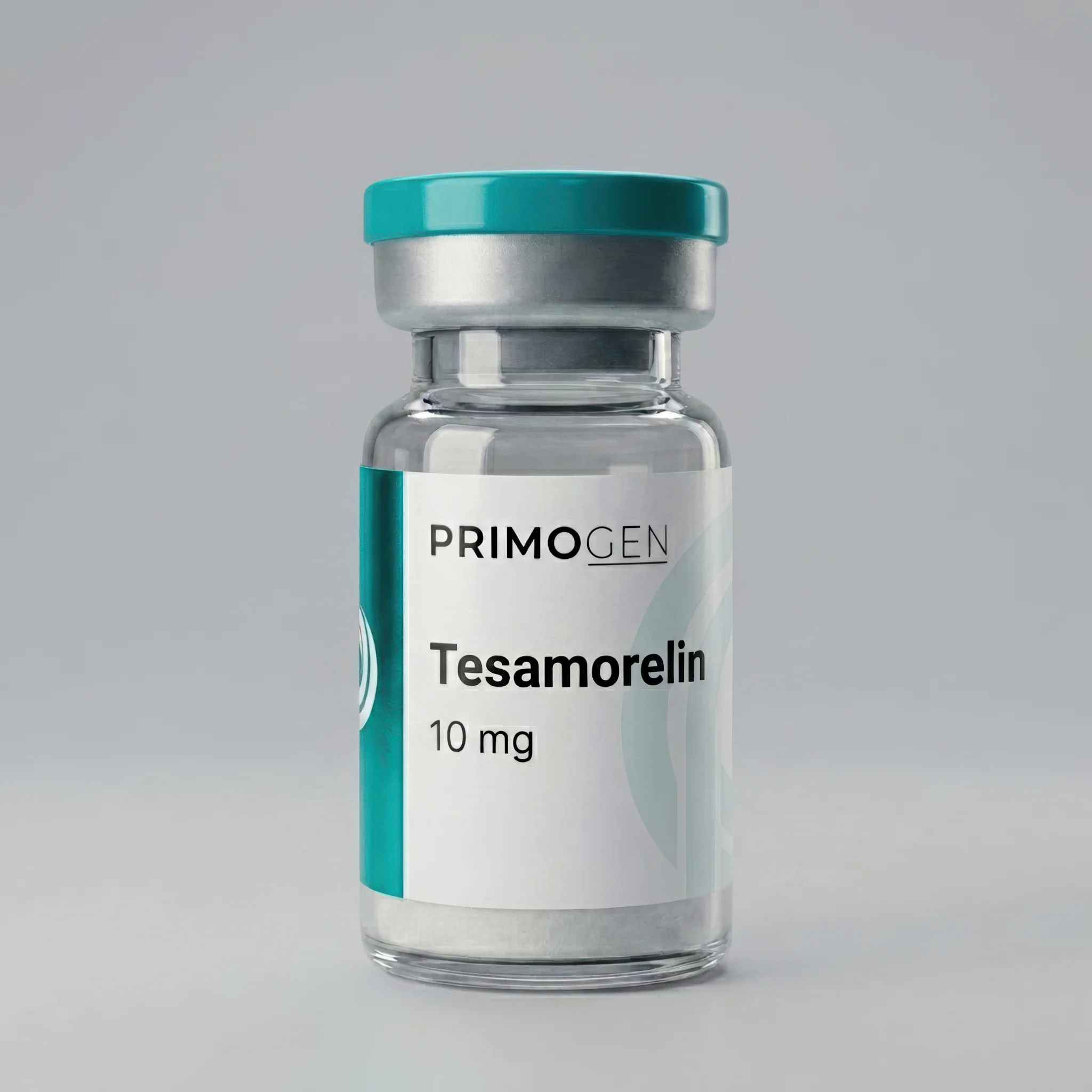
Growth hormone secretagogues are peptides that signal the pituitary gland to release more of the body's own growth hormone. They do not supply growth hormone itself. CJC-1295, ipamorelin and tesamorelin are the main examples.
- CJC-1295 is a GHRH analogue, a copy of the natural signal that prompts growth hormone release. It is meant to drive a bigger release that lasts longer. In one study of healthy adults, single doses raised average GH and IGF-1 levels several times over, and the rise lasted (Teichman et al., JCEM 2006).
- Ipamorelin acts on a different receptor (the ghrelin, or GHS, receptor). In the original lab work it triggered GH release more selectively than older secretagogues. It did so without the big rise in ACTH and cortisol (stress hormones) that the older ones caused (Raun et al., Eur J Endocrinol 1998). The two are often used together in research because their pathways work well together. This is a classic example of peptide stacking.
- Tesamorelin is a related GHRH analogue. It is FDA-approved to reduce excess deep belly (visceral) fat in people with HIV-related lipodystrophy.
What are cosmetic skin and hair peptides?
Cosmetic skin and hair peptides are studied for signals that drive collagen and skin structure. GHK-Cu is the best-known example, and one of the most studied cosmetic peptides there is.
- GHK-Cu is a natural copper-binding peptide found in human blood plasma. In lab research it has been studied for signalling collagen production and for rebuilding the skin's support structure. A review of human gene data reported that it changes the activity of a large share of human genes (Pickart & Margolina, Int J Mol Sci 2018). It is researched both as a cream on the skin and as an injection.
What other peptide categories are there?
Beyond the main groups there is a long tail of immune, metabolic, brain (nootropic) and longevity peptides. Two examples:
- KPV is a fragment studied for calming inflammation. It is used in Primogen's KLOW blend.
- MOTS-c is a peptide made by mitochondria. In animal studies it has been looked at for metabolic pathways linked to exercise.
The field is wide, and new compounds appear all the time.
How are peptides used in research?
The steps are the same for most injectable peptides. You mix the freeze-dried vial with bacteriostatic water. You store the solution cold and dark. Then you give a small injection just under the skin. Here is the high-level version:
- Reconstitute. Add bacteriostatic water to the freeze-dried vial and swirl gently. Never shake it, as that can damage the peptide. The amount of water you add sets the strength, and so how many units you draw for each dose.
- Store it correctly. Mixed peptides live in the fridge, away from light, and are not frozen. Most stay good for roughly three to four weeks once mixed. That is why smaller vials are often the smarter buy: you finish them before they break down.
- Inject subcutaneously. The standard route for most peptides is a small subcutaneous injection, just under the skin. It goes into the fat of the belly, using an insulin syringe. Some compounds use other routes. GHK-Cu can also go on the skin, and some brain-focused peptides are used as a nasal spray. But under the skin is the default. A few people use injection into the muscle (intramuscular) for specific cases. Injection into a vein (intravenous) is not something we cover or recommend.
The exact water amounts, dosing maths and storage details are all in how to reconstitute and store. Get comfortable with that one page before your first vial, and you will avoid almost every beginner mistake.
Are research peptides legitimate and tested?
Research peptides are sold legally as research compounds, not as approved drugs for general human use. Across the industry, proper third-party testing of every batch is the exception rather than the rule. Here is what that means for you, and what helps protect you.
These are research compounds. A few are approved medicines for specific conditions, such as tirzepatide and tesamorelin. The rest are sold for research use, not as approved drugs for general human consumption. That label is not a marketing dodge. It is their real legal status, and you should treat it as real.
Most are made in China, and batch testing varies. Most of the world's research peptides come from Chinese manufacturers. Quality varies. Proper third-party testing of each batch is the exception rather than the rule across the whole industry. So it pays to know how to read a certificate of analysis (a COA), the lab report on a peptide's identity and purity, and what it does and does not prove. There is a plain-English walkthrough in how to read a COA.
Some data is early. Many of the most talked-about peptides rest on animal studies and small or early human trials. BPC-157's strongest evidence comes from animal studies. The FDA has also put it on its Category 2 list, which flags bulk drug substances for possible safety risks in compounding (FDA, Certain Bulk Drug Substances for Compounding, Sept 2023). Some of retatrutide's Phase 3 results are still company topline figures, not yet full peer-reviewed papers. None of that makes the research worthless. The mechanisms and trial signals are often truly interesting. It just means holding the boldest claims a little more loosely than a drug advert would.
None of this is meant to scare you off. It is meant to give you clear, realistic expectations.
What are the basic safety and handling rules?
The basic rules apply to almost every peptide. Raise doses slowly, expect minor reactions where you inject, keep everything clean, and never store different peptides mixed in one vial. Here are the ground rules:
- Start low, go slow. Whatever the compound, begin at the low end of the dose range. This matters twice as much for the GLP-1 compounds. Raising the dose too fast is the most commonly reported cause of early stomach side effects, such as nausea.
- Reactions where you inject are common and usually minor. Mild redness or stinging is often reported. Concentrated GHK-Cu in particular can sting, which is why it is diluted further. Rotate where you inject.
- Clean (sterile) technique matters. Wipe the vial top, use a fresh needle, and do not touch the needle. Most problems beginners report come from technique, not the peptide.
- Don't mix peptides in one vial for storage. Some combinations, such as BPC-157 with TB-500 or GHK-Cu, can break each other down if stored together. Ready-made blends are made to be stable. Mixing your own in a vial is not. There is more on combining them properly in peptide stacking.
- Be realistic about timelines. Research and user reports describe effects building over weeks to months, not days. Nothing here works overnight.
The risks are real but manageable. For most beginners, the biggest one is simply expecting too much, too fast, from a vial they mixed wrong.
Which peptide should a beginner start with?
Most beginners start with either the healing peptides (BPC-157, TB-500) or a GLP-1 (tirzepatide, retatrutide). Both are the best-documented families. They have well-understood research protocols, and the practical side is simple once you can mix a vial. Which one fits depends entirely on your research goal.
In short: peptides are precise biological signals. Most come as a delicate powder you mix and inject yourself. Almost all are research compounds, mostly made in China. A smart beginner respects both the upside and that reality in equal measure.
Referenced products
Take the 2-minute protocol quiz for a recommendation tailored to you.
Build your stackFrequently asked questions
What are peptides in simple terms?
Short chains of amino acids, the same building blocks that make up protein. Most therapeutic peptides act as signals. They tell your body to do something it already knows how to do, like build collagen, release growth hormone or turn down appetite. They do not force a foreign reaction the way a typical drug does.
Are peptides safe for beginners?
Most are well tolerated when used sensibly. Start at a low dose, use clean injection technique, and be patient with timelines. The bigger points to know are these. Almost all are research compounds, not approved drugs for general use. Most are made in China, and batch testing varies across the industry. And individual results vary. None of this is medical advice, so talk to a qualified professional before deciding anything.
Why do peptides come as a powder?
Peptides break down in liquid, so they are freeze-dried (lyophilised) into a stable powder that keeps. You mix the powder with bacteriostatic water before use, then store the solution in the fridge.
What water do I use to mix peptides?
Bacteriostatic water, every time. It contains a small amount of benzyl alcohol that stops bacteria from growing, so a vial you dose from many times stays usable for weeks in the fridge. Plain sterile water has no preservative and is not what these are mixed with.
How are peptides injected?
Most are injected subcutaneously, into the fat just under the skin of the belly, using a small insulin syringe. Some compounds are used on the skin or as a nasal spray instead. Under the skin is the standard default for injectables.
How can I check a peptide's quality?
Start with its certificate of analysis (COA), the lab report on a peptide's identity and purity. It is worth learning what a COA does and does not prove before you rely on one. Our guide on how to read a COA walks you through it.
Which peptide should a beginner start with?
It depends on your research goal. The healing peptides (BPC-157, TB-500) and the GLP-1 compounds (tirzepatide, retatrutide) are the two best-documented starting families. That is why most beginners begin with one of them. The protocol quiz below points you to the right fit.
Sources (8)›
- 1.Jastreboff et al. Retatrutide Phase 2, NEJM 2023 pubmed.ncbi.nlm.nih.gov ↗
- 2.Sanyal et al. Retatrutide liver-fat reduction, Nat Med 2024 pubmed.ncbi.nlm.nih.gov ↗
- 3.Coskun et al. Retatrutide pharmacology, Cell Metab 2022 pubmed.ncbi.nlm.nih.gov ↗
- 4.Sikiric et al. BPC 157 and wound healing, Front Pharmacol 2021 frontiersin.org ↗
- 5.Pickart & Margolina. GHK-Cu human gene-expression review, Int J Mol Sci 2018. PMID 29986520
- 6.Teichman et al. CJC-1295 in healthy adults, JCEM 2006 academic.oup.com ↗
- 7.Raun et al. Ipamorelin pharmacology, Eur J Endocrinol 1998.
- 8.FDA, Certain Bulk Drug Substances for Compounding (Category 2, Sept 2023) fda.gov ↗