
Longevity Peptide Stacks: How the Anti-Aging Compounds Work Together
Written against the cited studies. Last updated 7 Oct 2026
Key takeaways
Longevity peptides are what people take to age well and feel better while they do it: deeper sleep, steadier energy, healthier skin. They are a set of separate research compounds, and each one acts on a different part of ageing. Epitalon works on telomeres, NAD+ on the cell's fuel pool, and MOTS-c on the mitochondrial signal. SS-31 works on mitochondrial structure, and GHK-Cu on gene activity and connective tissue. The point is to combine mechanisms that fit together, not to find one hero compound.
Most people start by asking, "What is the best peptide for longevity?" There is no single answer, because ageing is not one process. Several different things happen at once:
- Telomeres shorten. These are the protective caps on the ends of DNA, and they get shorter every time a cell divides.
- The NAD+ pool drains. NAD+ is a coenzyme, a helper molecule cells need to turn food into usable energy.
- Mitochondria lose signal and structure. Mitochondria are the tiny power plants inside every cell.
- Skin and connective tissue thin out.
These are different problems with different causes. A compound that works on one of them does nothing for the others.
So the useful question is not "which one?" It is "how do they fit together?" That is what this guide is about. We will not write a full profile of each compound, because the deep-dives do that. Instead we will match each one to the lever it pulls. Then we will show the single most important rule for building a longevity stack. You lay down fuel and protection before you push the system, or you make things worse.
Which longevity peptide does what?
Each longevity peptide works on a different lever of ageing, so they add to each other rather than compete. Epitalon covers telomeres, NAD+ the fuel pool, and MOTS-c the mitochondrial signal. SS-31 covers mitochondrial structure, and GHK-Cu covers gene activity and connective tissue. Think of "anti-aging" as a small set of separate dials. Here is who turns which.
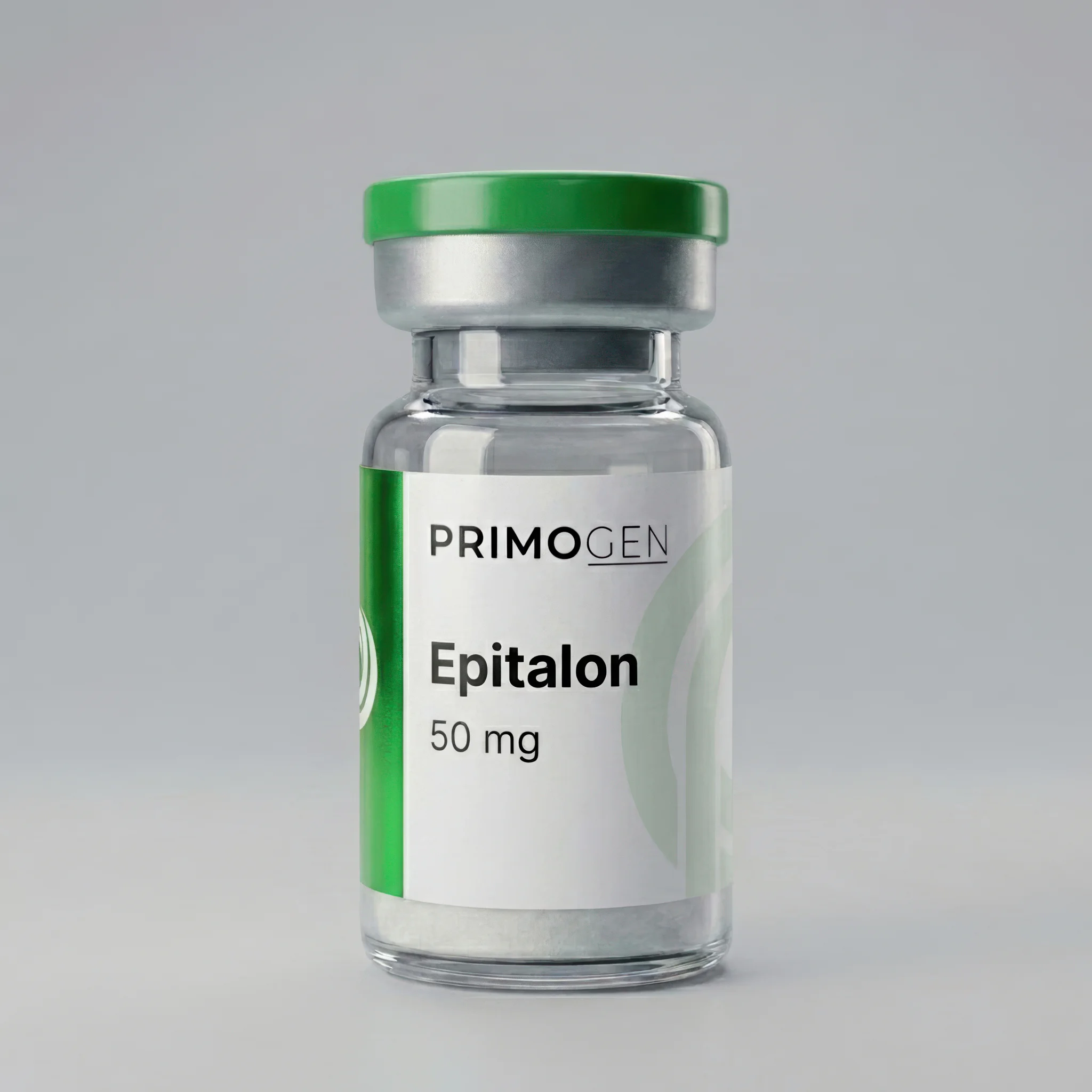
- Telomeres: Epitalon. Epitalon (AEDG) is a tetrapeptide, meaning a tiny chain of just four amino acids. It is the classic "telomere peptide". In cell cultures it switches up telomerase (hTERT), the enzyme that rebuilds those telomere caps. It also lengthens telomeres in human cells grown in the lab. Khavinson first reported this in 2003 (Khavinson 2003). A group at Brunel University London repeated the finding on its own in 2025 (Al-Dulaimi 2025). One study in older people reported that the night-time melatonin rhythm, which fades with age, came back (Korkushko 2004). So far the telomere effect has been shown in vitro (in cells in a dish), and the lifespan data comes from mice and flies: around +12 to 13% in SHR mice (Anisimov 2003). More in the Epitalon deep-dive.
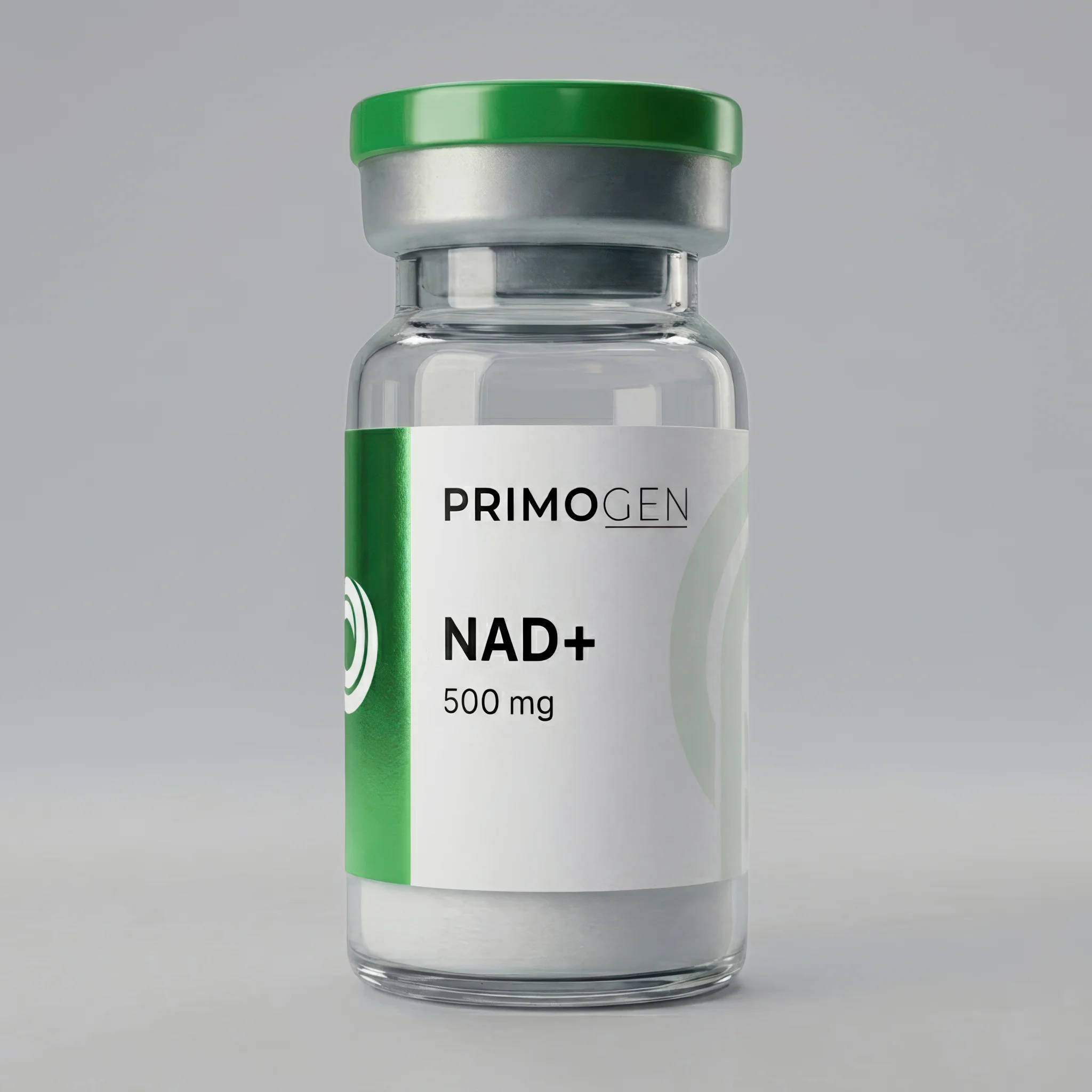
- The fuel pool: NAD+. NAD+ is the coenzyme mitochondria run their core reactions on, and levels clearly fall with age (Camacho-Pereira 2016). It is the "fuel" of the stack. It is a cofactor, a helper molecule a reaction cannot run without. It has to be there for the other levers to do anything useful.
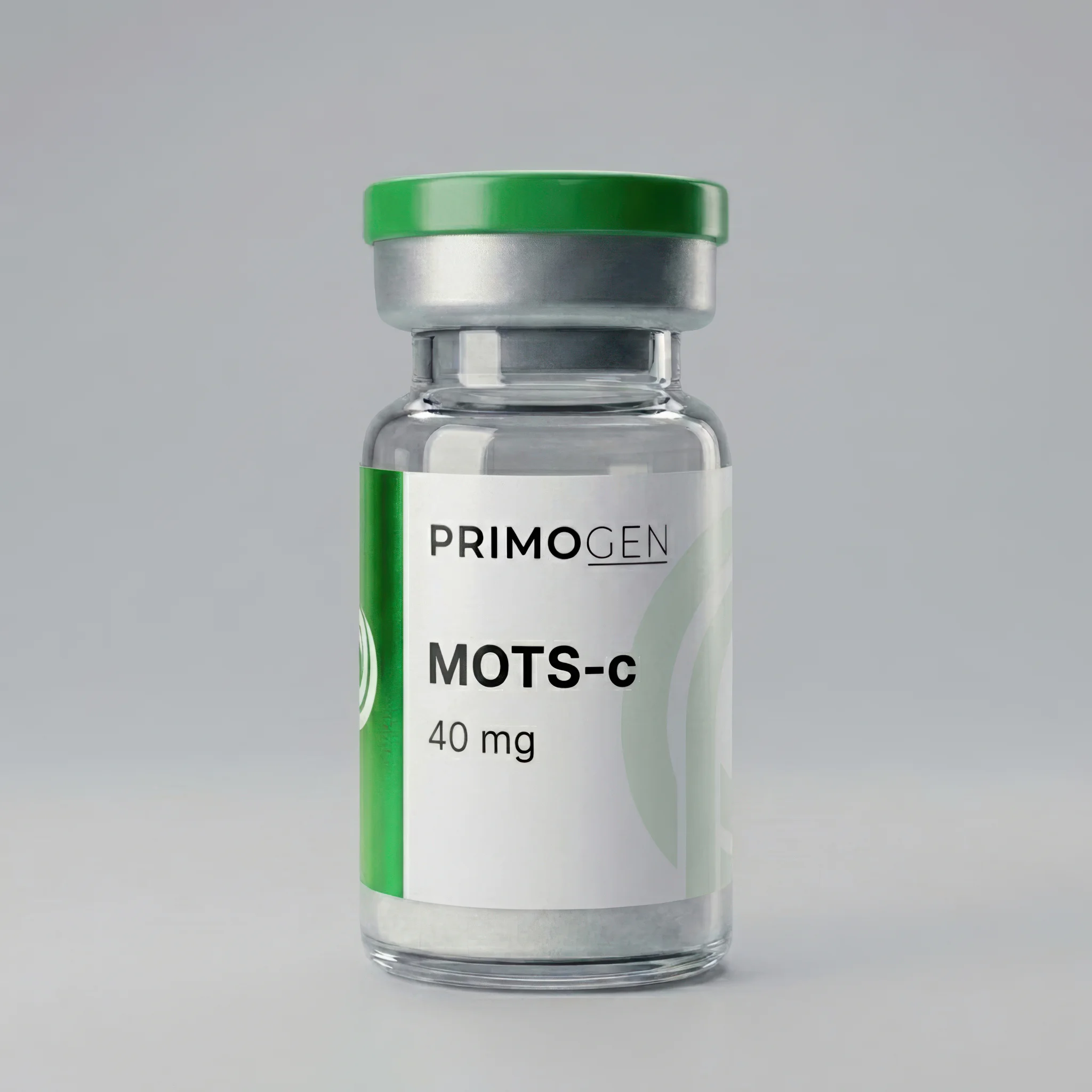
- The mitochondrial signal: MOTS-c. MOTS-c is a short peptide that mitochondria make themselves, and it acts like an exercise signal. In animal and cell studies it switches on AMPK, the cell's master fuel sensor. Reported effects include better insulin sensitivity (how well cells respond to insulin and take up sugar from the blood) and more fat burning for energy. It also drives PGC-1-alpha, the master switch for biogenesis, which just means building new mitochondria (Lee 2015; Reynolds 2021). MOTS-c is the accelerator. Crucially, it is a signal to spend energy, not a supply of it. Full detail is in the MOTS-c deep-dive.
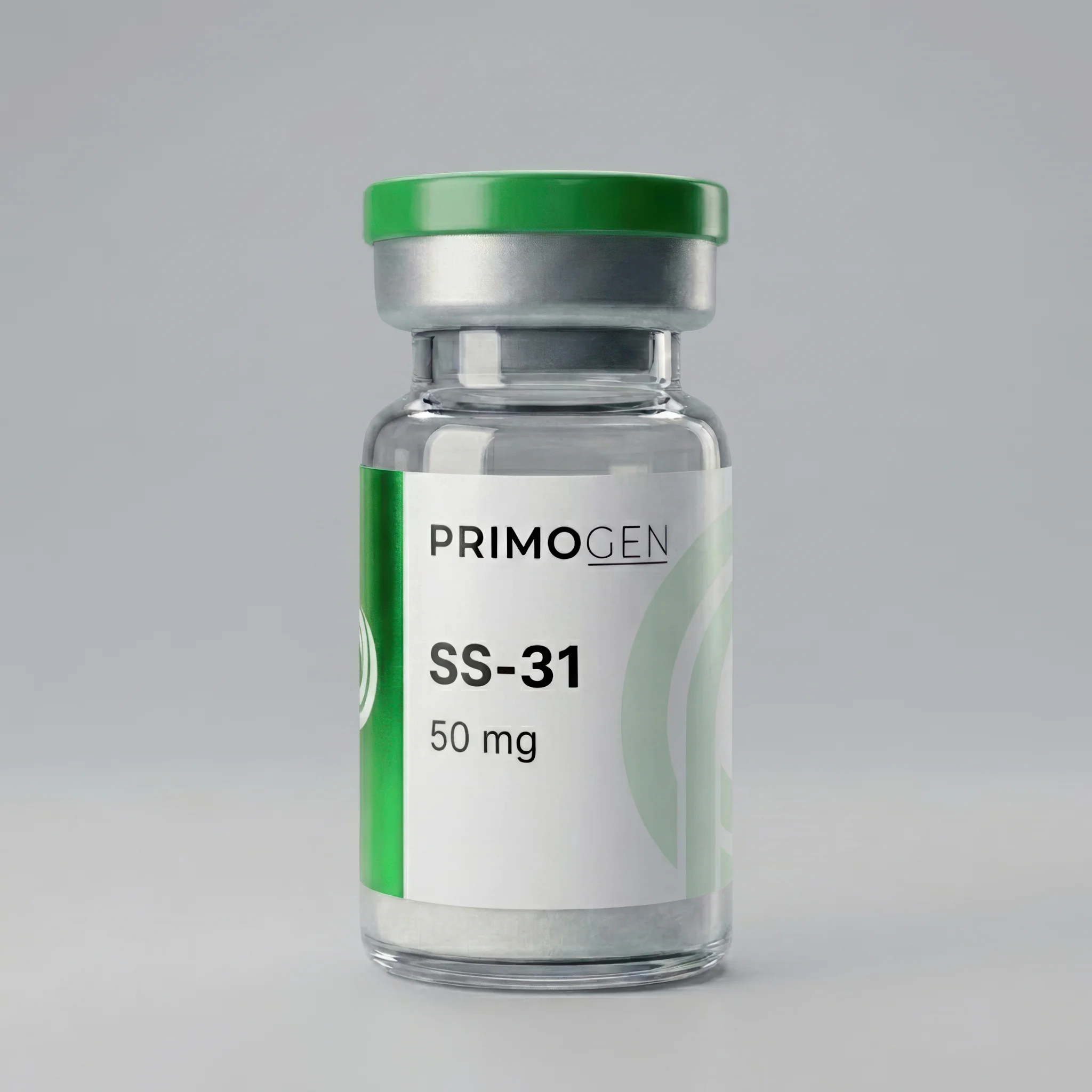
- Mitochondrial protection: SS-31. SS-31 (elamipretide) binds to cardiolipin, a fat that holds the inner mitochondrial membrane together. In lab and animal studies it supports that membrane under load. It also supports the electron-transport chain, the line of proteins that turns fuel into ATP, the cell's energy currency (Mitchell 2020; Szeto 2014). SS-31 does not signal anything. It is the protection lever. It is also the only compound here with a Western approval. In 2025 the FDA gave SS-31 accelerated approval, a fast-track US route for drugs that treat serious conditions with few other options. That approval is for Barth syndrome, a rare inherited disorder that weakens the heart and muscles.
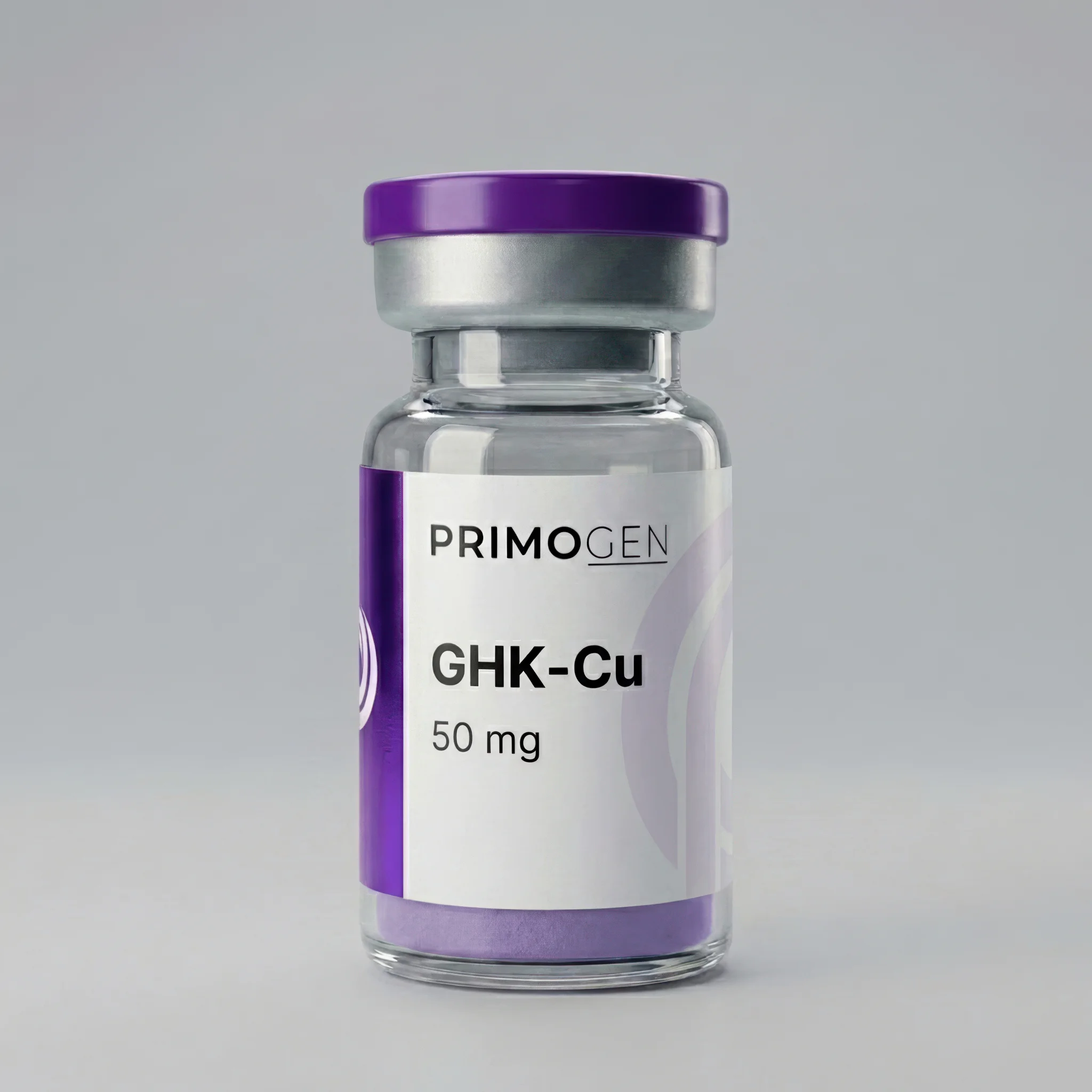
- Gene activity and repair: GHK-Cu. GHK-Cu is a copper tripeptide, a tiny chain of three amino acids carrying a copper atom. In published reviews it shifts a broad set of genes toward a "younger", more repair-focused pattern. It also boosts collagen, the protein that gives skin and connective tissue their structure (Maquart 1988; Pickart & Margolina 2018). In longevity terms it is the lever for skin, hair and connective tissue. It has the strongest evidence of the group on the skin side. See GHK-Cu.
These do not compete. They sit on different dials. That is exactly why people stack them, and exactly why stacking them carelessly is a mistake.
Why does the foundation have to come before the accelerator?
Because the most common way a longevity stack goes wrong is pushing the system before it has been fuelled and protected. If you take one thing from this guide, take this. The foundation compounds go down first: NAD+ as fuel and SS-31 as protection. The MOTS-c accelerator goes on top of them, not the other way round.
The clearest example is the MOTS-c paradox. It is worth understanding because the same idea applies to the whole stack. MOTS-c does not give a cell energy. It tells cells to make and spend more of it, by switching on AMPK.
- In a well-supplied cell, that signal produces the exercise-like effect the research describes.
- In a run-down cell, the same signal pushes a fragile system harder. The pattern people report is tiredness, brain fog or a crash, often a couple of weeks into a cycle.
This is not a bad batch. It is the compound doing its job in a system that was not ready for it.
Two things drive that crash, and each one matches a foundation compound:
- The signal burns through fuel and raw materials. MOTS-c works through the folate-AMPK pathway. In the original lab work, it used up folate and methionine within hours. These are two building blocks linked to B vitamins that cells run on. It also raised homocysteine, a by-product that causes problems when it builds up (Lee 2015). On top of that, more mitochondrial work needs the NAD+ coenzyme to run the reactions. NAD+ is the tank. Methylfolate and B12 replace what MOTS-c in particular drains.
- Pushing an unprotected engine. Driving more work through mitochondria whose membranes are already damaged leads to waste and oxidative stress, not usable energy. SS-31 is the protection lever under that load.
So the order is not random. NAD+ is the fuel and SS-31 is the protection. Only on top of those does the MOTS-c accelerator have something to work with. The community uses a car analogy. MOTS-c is like flooring the accelerator. That makes sense with fuel in the tank and a sound engine. Without them, it is a way to burn the engine out.
How do the longevity peptides combine into a stack?
A longevity stack combines four jobs in order: signal, fuel and protection, with the longer-term levers added alongside. Once you stop thinking "which peptide?" and start thinking "which levers?", the structure builds itself.
The well-known community "mito stack" is the working example:
- MOTS-c is the signal that drives mitochondrial work and the building of new mitochondria.
- NAD+ is the fuel that lets the cell meet that demand.
- SS-31 is the protection that keeps the engine intact under the extra load.
- Methylfolate plus B12 replace the helper nutrient and raw material that MOTS-c uses up. This is standard community advice. It matters most for people with MTHFR gene variants, a common inherited quirk that makes folate harder to process.
This is a protocol the community built, and it makes sense on mechanism. Each of the three peptides works on a different axis in lab and animal research. See Mitchell 2020 for the structure, Lee 2015 and Reynolds 2021 for the signal, and Camacho-Pereira 2016 for the fuel. No controlled human trial has tested them together yet. So treat it as a smart pairing of mechanisms that fit together, which is the core idea behind peptide stacking.
Where Epitalon and GHK-Cu fit in. The mito stack handles the energy side. The other two longevity levers sit beside it rather than inside it.
- Epitalon runs on a different clock entirely. It is taken as a course, not all the time. The typical pattern is a 10 to 20 day course once or twice a year (the classic Khavinson pattern). It targets telomeres and the pineal and circadian system, meaning the brain's melatonin gland and your daily sleep-wake clock. The mito compounds do not touch these. Epitalon does not need to be "on" while you run the mito stack. It is a yearly or twice-yearly tune-up layered over the top.
- GHK-Cu works on the visible, connective side: skin, hair and collagen. None of the mito compounds reach these. It pairs well with the rest because it works through a separate mechanism, and it has the strongest skin evidence of the group.
So a full longevity approach has four parts:
| Part | Compounds | Schedule |
|---|---|---|
| Energy foundation | NAD+ and SS-31 | Ongoing, but cycled |
| Accelerator | MOTS-c | Added on top of the foundation |
| Telomere and sleep-clock course | Epitalon | A short course, once or twice a year |
| Connective tissue | GHK-Cu | Its own schedule |
Do longevity peptides actually work?
The mechanisms are real, and several are well studied. But the human outcome data is still thin, so no longevity peptide has been shown to extend human lifespan. Longevity is the corner of the peptide world where claims most often run ahead of the evidence. So it is worth being clear about where the evidence sits.
What is well studied. Each mechanism has real lab and biochemical backing:
- MOTS-c switching on AMPK and the building of new mitochondria
- SS-31 binding to cardiolipin
- NAD+'s central role in metabolism
- Epitalon switching up telomerase
- GHK-Cu shifting gene activity
What is still early in people.
- MOTS-c: there is no completed human trial of whether native MOTS-c works.
- NAD+: injected NAD+ rests on a single small pharmacokinetic study. That is a study that tracks how much of a dose reaches the blood, and how fast (Grant 2019). In it, NAD+ in the blood did not rise for the first two hours of the infusion. Nearly all the good human data is on the oral precursors, NR and NMN, the raw materials the body turns into NAD+. Even that data is mixed.
- SS-31: its anti-ageing case is built on data from older mice, not human longevity trials. Its FDA approval rests on a knee-strength signal in 12 patients with Barth syndrome. That tells you little about longevity in healthy adults.
- Epitalon: its telomere effect is shown in cells, not in a controlled human telomere study. Its lifespan numbers come from mice and flies.
- The mito stack: the "fuel first" logic is clean and widely used. But it has not been tested as a stack in any trial. The foundation is sensible groundwork, not proven medicine.
So here is where it stands. None of these compounds has been shown to extend human lifespan, and anyone who tells you otherwise is selling something. What you do have is a set of mechanisms that fit together, with encouraging early signals. An informed community uses them widely. They work best as a well-ordered stack, not a pile of hopeful vials. That is a perfectly good reason to be interested. It is not a reason to believe more than the data supports.
Humanin and Thymalin also come up in longevity circles. They are further mitochondrial and thymus peptides worth watching, but they are not part of our range and are not covered here.
What are the common mistakes when stacking longevity peptides?
The common mistakes are pushing MOTS-c on a run-down system, stacking too much, doubling up on the same mechanism, and ignoring specific cautions. Most come from the same instinct: that more must be better. It is not.
- Do not push MOTS-c on a run-down system. This is the headline mistake, and it is why the crash happens. If you are already run-down, lay down NAD+, the folate helpers and SS-31 first. If you are not willing to do that, MOTS-c is the wrong place to start. Build the foundation, then add the signal.
- Do not over-stack. Running five compounds at once because each "does something for longevity" is not a plan. It is noise. You cannot tell what is working, what is causing a side effect, or what to change. Add one lever at a time, give it a few weeks, and keep what earns its place.
- Do not stack the same mechanism twice. The point is to pair mechanisms that fit together. Two compounds that pull the same lever just double the cost and the side effects, with no extra benefit. The mito stack works because signal, fuel and protection are three different jobs, not three versions of one.
- Mind the specific cautions.
- MOTS-c is on the WADA prohibited list, so it is off-limits for tested athletes, full stop. The same rule on non-approved substances likely reaches the others for athletes too (WADA Prohibited List 2026).
- Injected NAD+ should only ever come from properly made, sterile product, never grey-market material. The risks are endotoxin (bacterial contamination that triggers a strong immune reaction) and other reactions.
- Epitalon works by switching on telomerase, the same machinery cancer cells use. So anyone with active or recent cancer, or a strong family history of it, should treat that as an open question, not a settled non-issue.
A note on route. The research handling here is subcutaneous (a small injection into the fat just under the skin), not intravenous (directly into a vein). NAD+ is heavily marketed as a premium IV drip. The clinical and addiction-clinic research uses the IV route, but we mention it only as background, not as something to do at home. The IV experience in that research is rough. In one 2026 study, every NAD+ IV client reported moderate to severe cramping, nausea and chest pressure during the infusion (Reyna 2026). Home IV is not a route we support. Subcutaneous dosing is the practical path. BAC water (bacteriostatic water, which contains a preservative that stops bacteria from growing) is the only correct liquid to mix with.
How should you sequence and cycle a longevity stack?
Start with the foundation, add the signal on top, then add the periodic and visible levers. Cycle in blocks rather than running everything forever. The build order follows directly from the foundation-first rule.
- Start with the foundation. Lay down the fuel and the protection before anything else: NAD+ and SS-31, plus the methylfolate/B12 helpers. Give it a couple of weeks. This is the part that decides whether the accelerator helps or hurts.
- Add the signal. Once the foundation is in place, add MOTS-c. It clears the blood quickly. But its effect on cell energy is reported to last longer than the compound stays in the blood. So it does not need daily dosing, which is why community patterns sit at a few times a week rather than daily.
- Add the periodic and the visible. Epitalon comes in as a separate course once or twice a year, not as an ongoing add-on. GHK-Cu runs on its own schedule, added when skin, hair and collagen are the goal.
On cycling: the mito-stack peptides are usually run in blocks, commonly 8 to 12 weeks on followed by a break. They are not run nonstop forever. Epitalon is clearly course-based: a short run once or twice a year, not a daily habit. There are two reasons to cycle rather than run flat-out forever. One is caution, because long-term human safety data is thin across the board. The other is that signalling compounds simply work better with breaks.
If you are new to mixing and dosing, how to reconstitute and dose covers the practical side: BAC water, swirling not shaking, storage and so on. One point worth flagging: NAD+ is unusually sensitive to light and breaks down in the wrong conditions. It is one of the few compounds where handling really decides whether you are injecting anything active.
Referenced products
Take the 2-minute protocol quiz for a recommendation tailored to you.
Build your stackFrequently asked questions
What is the best peptide for longevity?
There is not one. Ageing has separate levers: telomeres, the NAD+ fuel pool, the mitochondrial signal, structural protection and connective repair. Different compounds pull different ones. Epitalon targets telomeres, NAD+ supplies fuel, and MOTS-c drives the signal. SS-31 protects the structure, and GHK-Cu handles skin and connective tissue. The value is in combining mechanisms that fit together, not in finding a single hero compound.
What is the "mito stack" and does it actually work?
The mito stack is MOTS-c (the signal to burn harder) plus NAD+ (the fuel to meet that demand). It adds SS-31 (protection for the mitochondrial membrane under load) and methylfolate and B12 (to replace what MOTS-c uses up). It makes sense on mechanism, because the three peptides hit three truly different targets, and it is widely used. But it has not been tested as a stack in any controlled human trial. Treat it as a smart pairing of mechanisms, not as proven medicine.
Why does the foundation come before MOTS-c?
Because MOTS-c is a signal to spend energy, not a supply of it. It tells cells to burn harder. The original lab work reported that it drains the folate cycle within hours (Lee 2015). In a system low on NAD+ fuel and with unprotected membranes, that signal pushes a fragile system harder. The community reports this as tiredness or a crash a couple of weeks in. NAD+ is the fuel, SS-31 is the protection, and the accelerator goes on top of both.
Where do Epitalon and GHK-Cu fit?
Alongside the energy stack, on their own schedules. Epitalon is taken as a short 10 to 20 day course once or twice a year. It targets telomeres and the sleep-wake (circadian and pineal) system, which the mito compounds do not touch. GHK-Cu handles the visible connective side: skin, hair and collagen. It pairs well because it works through a separate mechanism, and it has the strongest skin evidence of the group.
Can these extend my lifespan?
No human data supports that claim for any of them, so be wary of anyone who says it does. The mechanisms are real and the early signals are encouraging. But the lifespan numbers come from mice and flies (Epitalon, and MOTS-c in animals), and the human work is early or missing. These are best seen as promising on mechanism and used by the community, not as proven longevity drugs.
Do I have to do IV NAD+?
No. IV NAD+ is heavily marketed, and it is the route used in clinical research. But the IV experience reported in that research is unpleasant: cramping, nausea and chest pressure during the infusion (Reyna 2026). We do not recommend or support home IV. Injection just under the skin is the practical route, mixed with BAC water only.
How should I sequence a longevity stack?
Foundation first. Lay down NAD+ and SS-31 plus the folate helpers, give it a couple of weeks, then add MOTS-c on top. Add Epitalon as a separate periodic course, and GHK-Cu on its own schedule. Add one lever at a time so you can tell what each one is doing. Cycle the mito peptides in blocks rather than running them forever, and resist the urge to over-stack.
Sources (19)›
- 1.Lee et al. MOTS-c regulates metabolism via the folate-AMPK axis, Cell Metab 2015 pubmed.ncbi.nlm.nih.gov ↗
- 2.Reynolds et al. MOTS-c, exercise and healthspan, Nat Commun 2021 nature.com ↗
- 3.Kim et al. MOTS-c nuclear translocation under metabolic stress, Cell Metab 2018 pubmed.ncbi.nlm.nih.gov ↗
- 4.Grant et al. IV NAD+ pharmacokinetics pilot, Front Aging Neurosci 2019 pubmed.ncbi.nlm.nih.gov ↗
- 5.Reyna et al. NAD+ IV vs NR IV tolerability, Front Aging 2026 pmc.ncbi.nlm.nih.gov ↗
- 6.Chen et al. ONTRAC nicotinamide skin-cancer RCT, NEJM 2015 pubmed.ncbi.nlm.nih.gov ↗
- 7.Camacho-Pereira et al. CD38 drives age-related NAD+ decline, Cell Metab 2016 pubmed.ncbi.nlm.nih.gov ↗
- 8.Mitchell et al. SS-31 binds cardiolipin / lipid bilayers, J Biol Chem 2020 pubmed.ncbi.nlm.nih.gov ↗
- 9.Szeto. SS-31 first-in-class cardiolipin-protective compound, Br J Pharmacol 2014 pubmed.ncbi.nlm.nih.gov ↗
- 10.Campbell et al. SS-31 restores ATP production in aged mice, Free Radic Biol Med 2019 pubmed.ncbi.nlm.nih.gov ↗
- 11.Thompson et al. TAZPOWER + open-label extension (elamipretide), Genet Med 2021/2024 pubmed.ncbi.nlm.nih.gov ↗
- 12.Khavinson et al. Epitalon induces telomerase / telomere elongation in human cells, Bull Exp Biol Med 2003 pubmed.ncbi.nlm.nih.gov ↗
- 13.Al-Dulaimi et al. Independent replication of Epitalon telomere effect, Biogerontology 2025 pubmed.ncbi.nlm.nih.gov ↗
- 14.Anisimov et al. Epitalon lifespan in SHR mice, Biogerontology 2003 pubmed.ncbi.nlm.nih.gov ↗
- 15.Korkushko et al. Epithalamin circadian melatonin restoration in elderly, Bull Exp Biol Med 2004 pubmed.ncbi.nlm.nih.gov ↗
- 16.Korkushko et al. 15-year follow-up, reduced CV mortality (epithalamin), Bull Exp Biol Med 2011 pubmed.ncbi.nlm.nih.gov ↗
- 17.Maquart et al. GHK-Cu stimulates collagen synthesis, FEBS Lett 1988 pubmed.ncbi.nlm.nih.gov ↗
- 18.Pickart & Margolina. GHK-Cu gene-expression / regenerative review, Int J Mol Sci 2018 pubmed.ncbi.nlm.nih.gov ↗
- 19.WADA Prohibited List 2026 wada-ama.org ↗